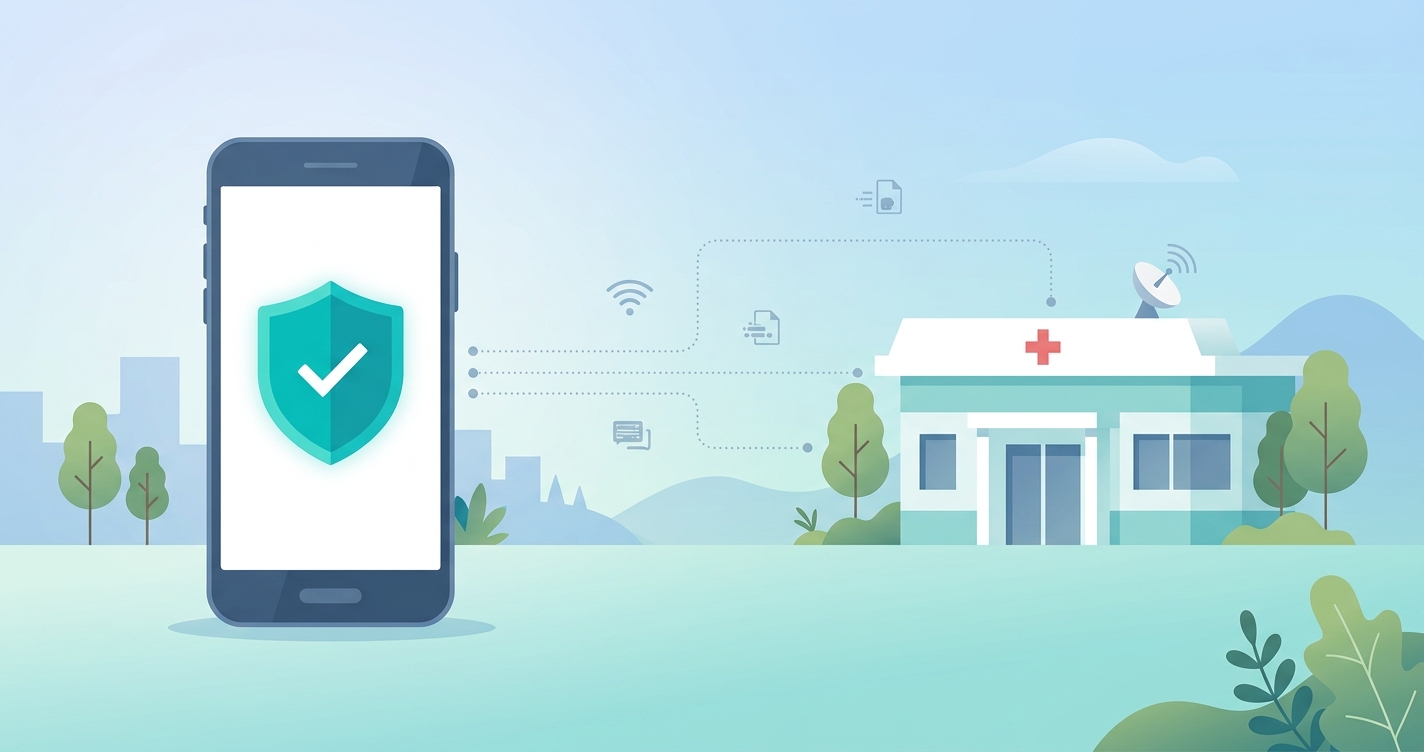
Why should my health be checked often even if I feel well right now?
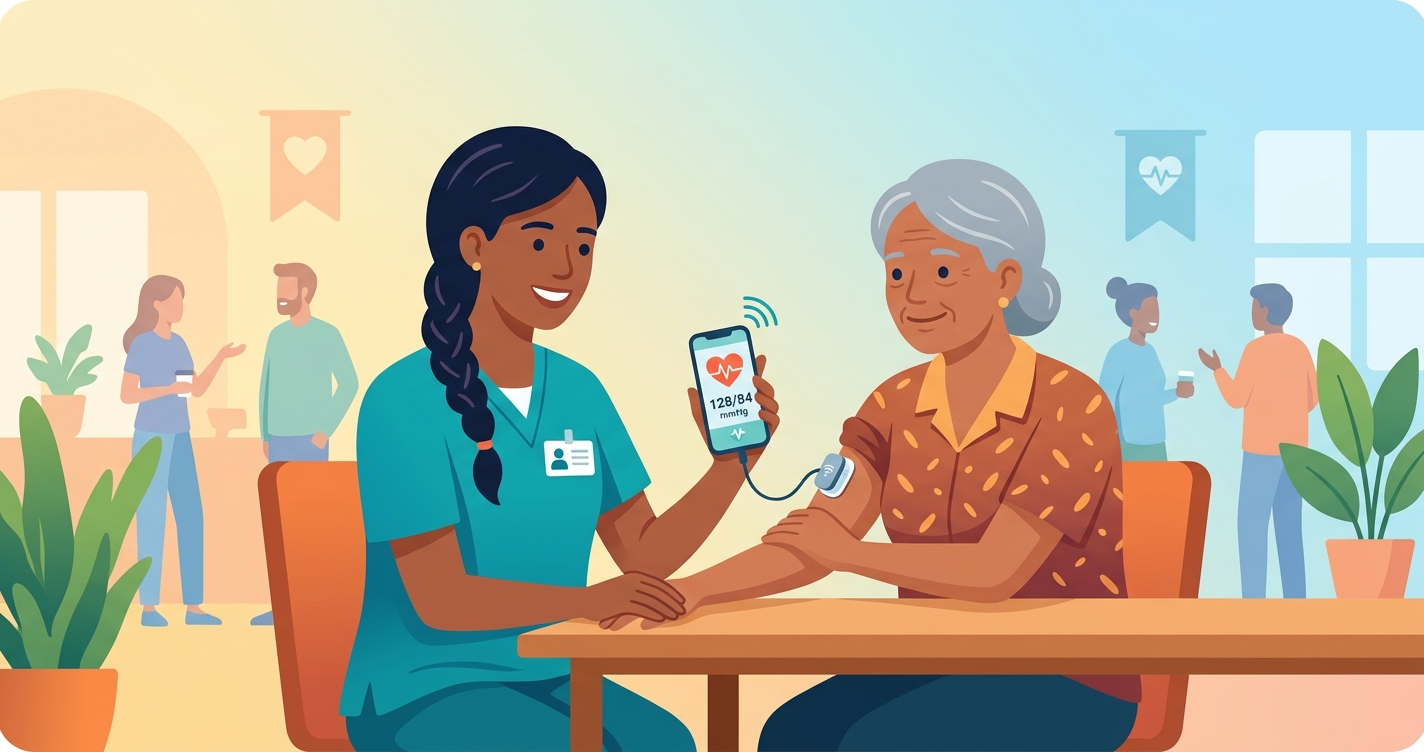
Routine preventative screening matters most when you feel fine. How contactless screening in developing nations turns one-off visits into ongoing engagement.
Insights on health technology, vitals monitoring, and wellness from the MedHealthScan team.

Routine preventative screening matters most when you feel fine. How contactless screening in developing nations turns one-off visits into ongoing engagement.

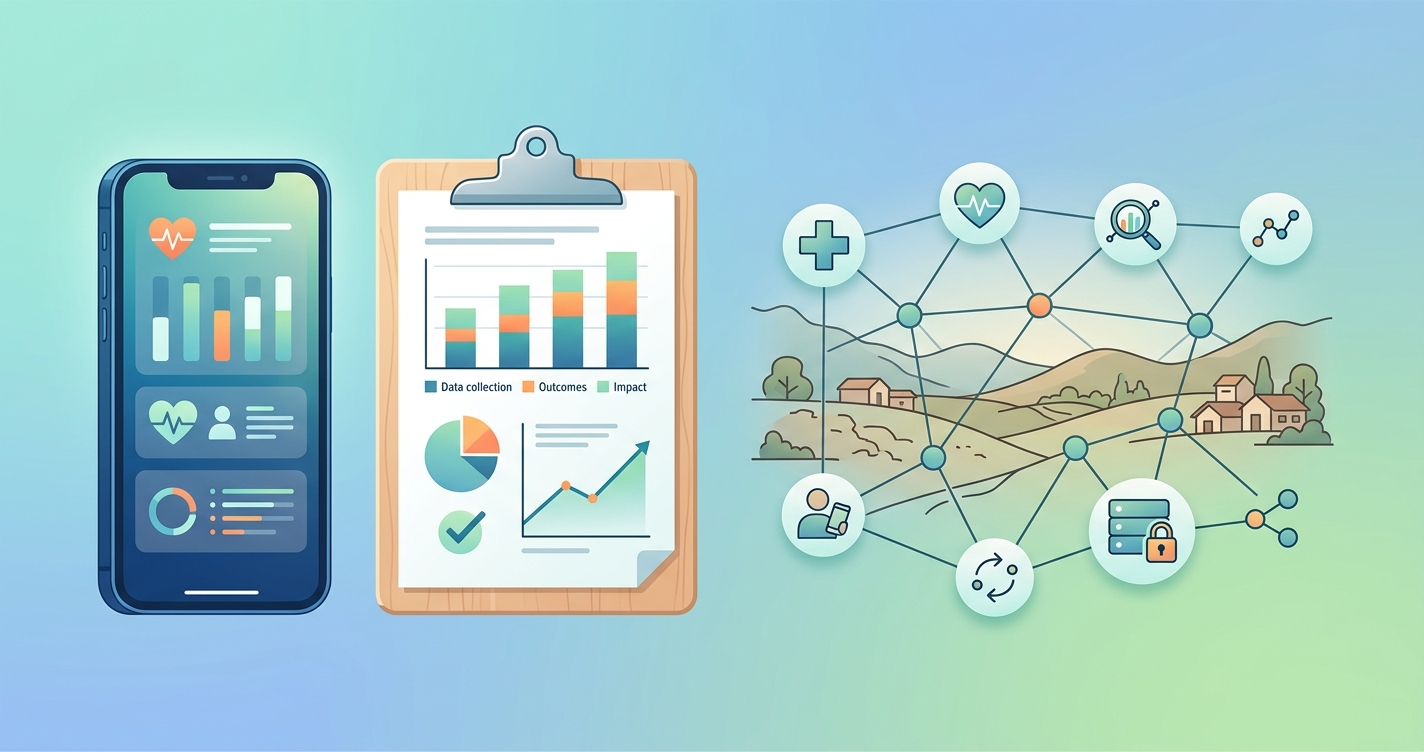
An economic look at mHealth field deployment for remote health screening, with cost-per-beneficiary data for USAID and PEPFAR implementers planning scalable programs.

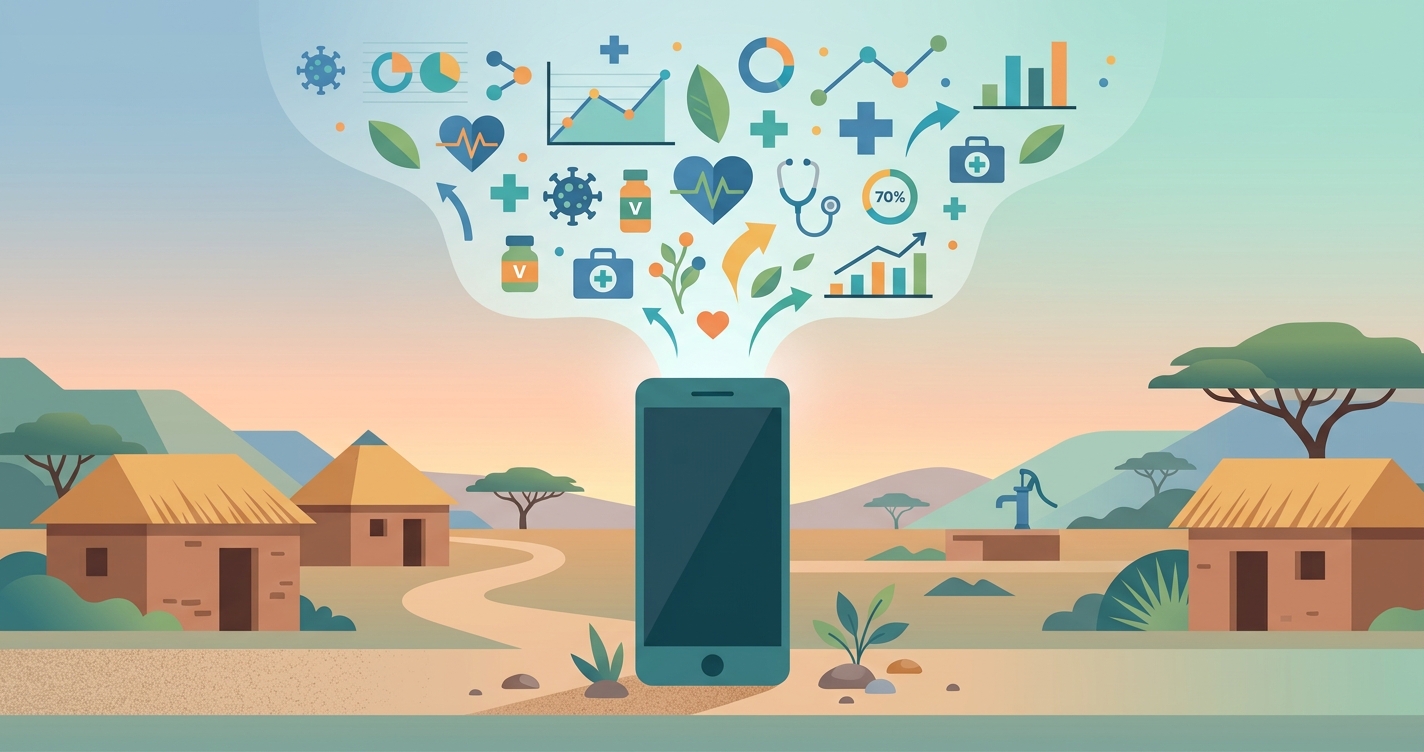
Smartphone diagnostics for global health offer an early warning system in remote areas, helping detect illness before symptoms force a costly clinic trip.

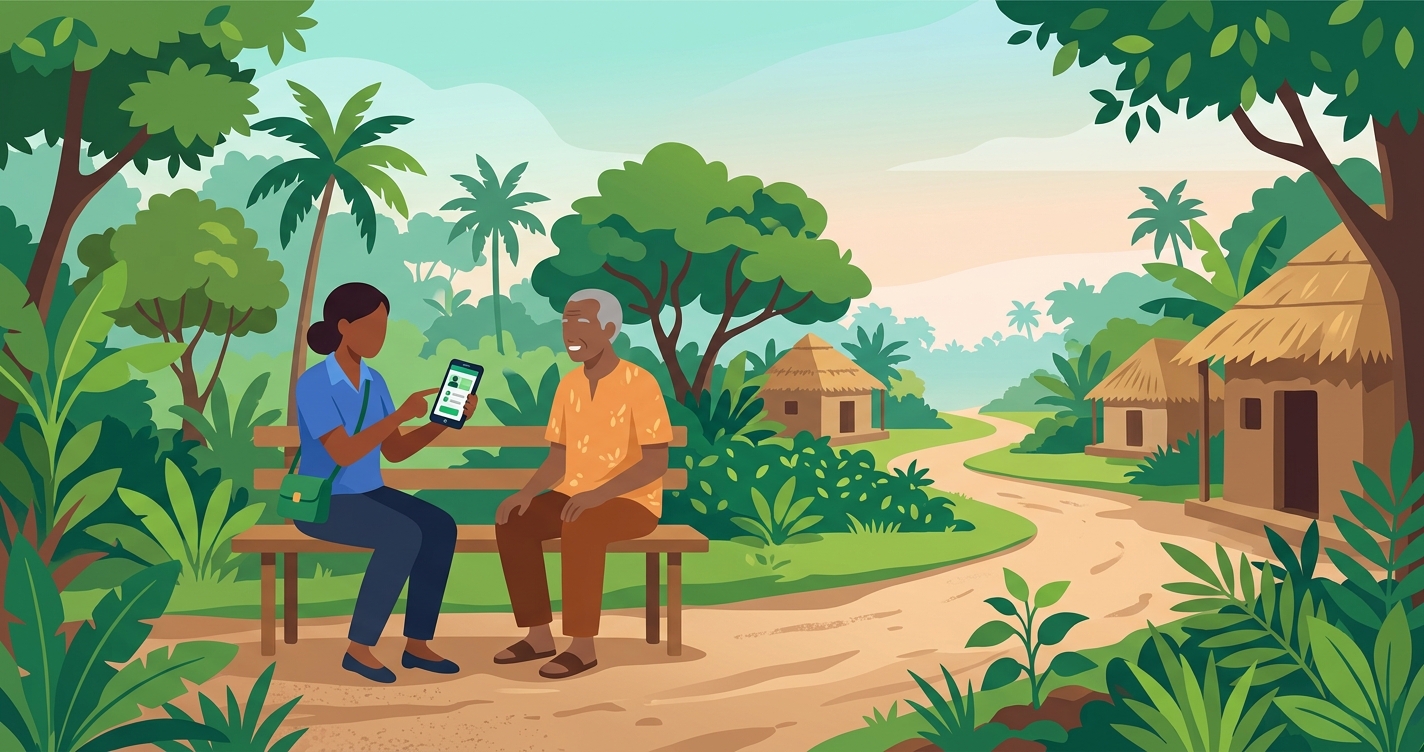
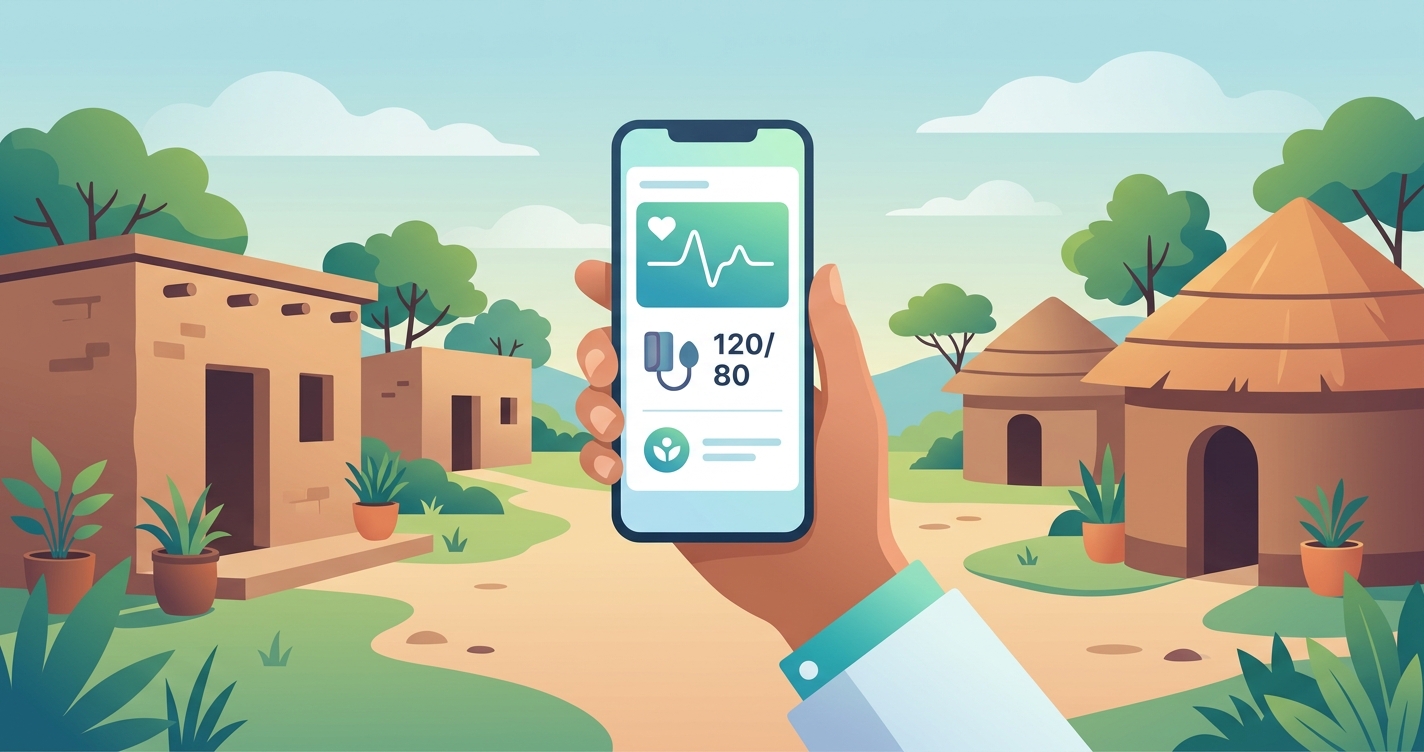
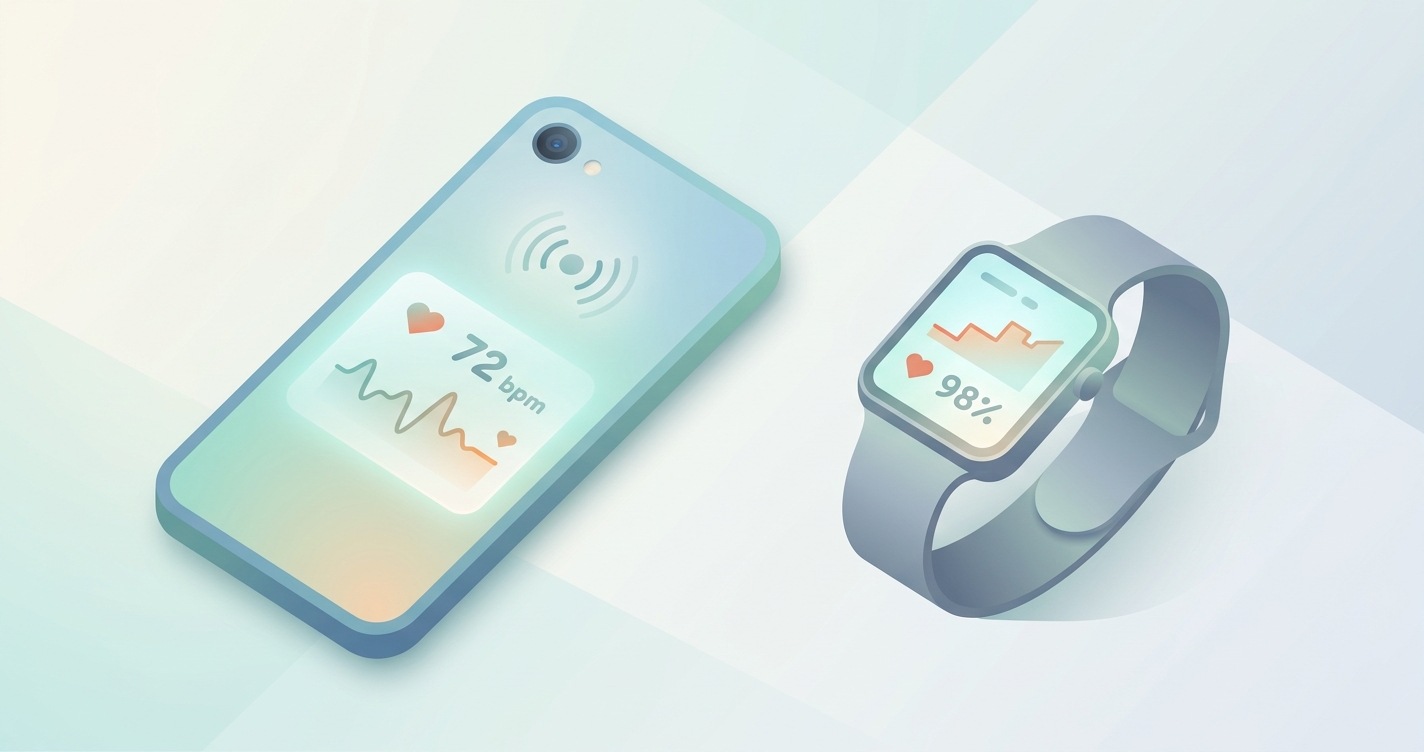
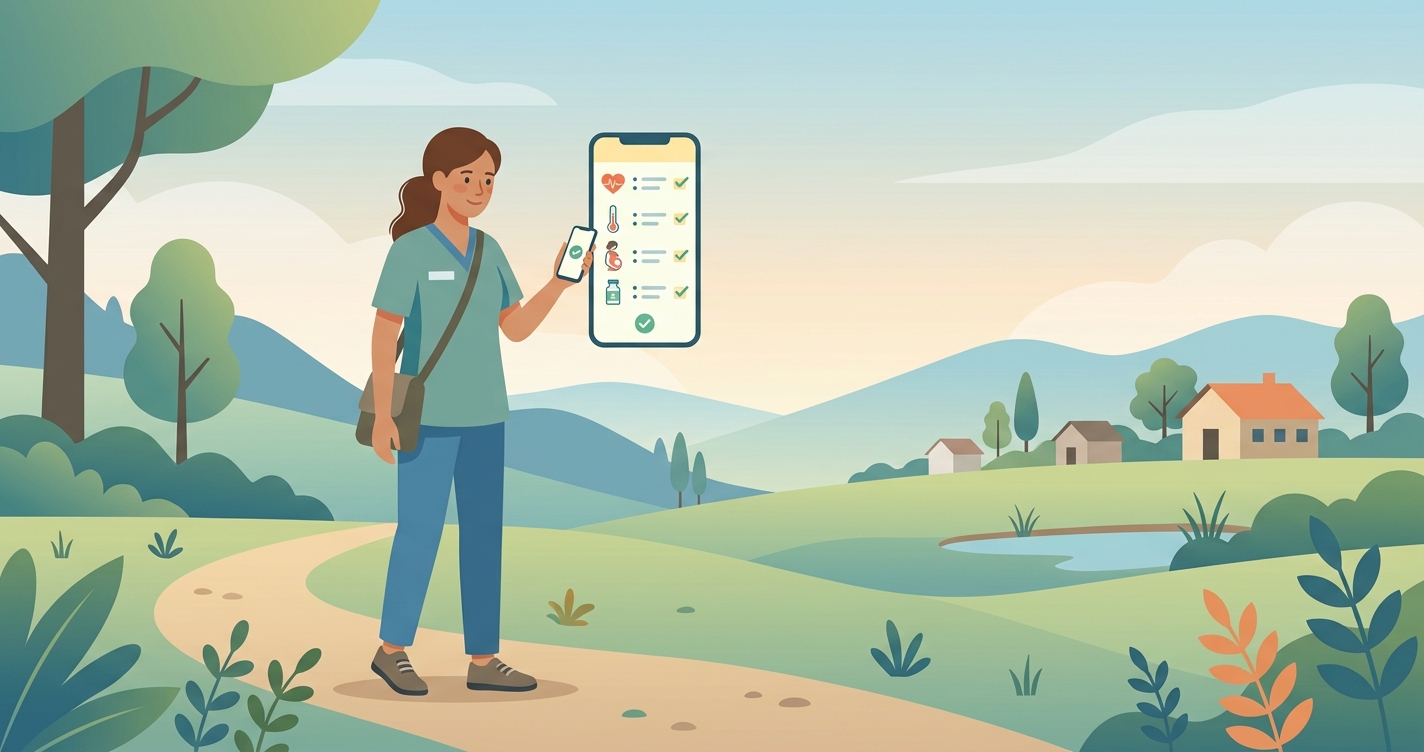
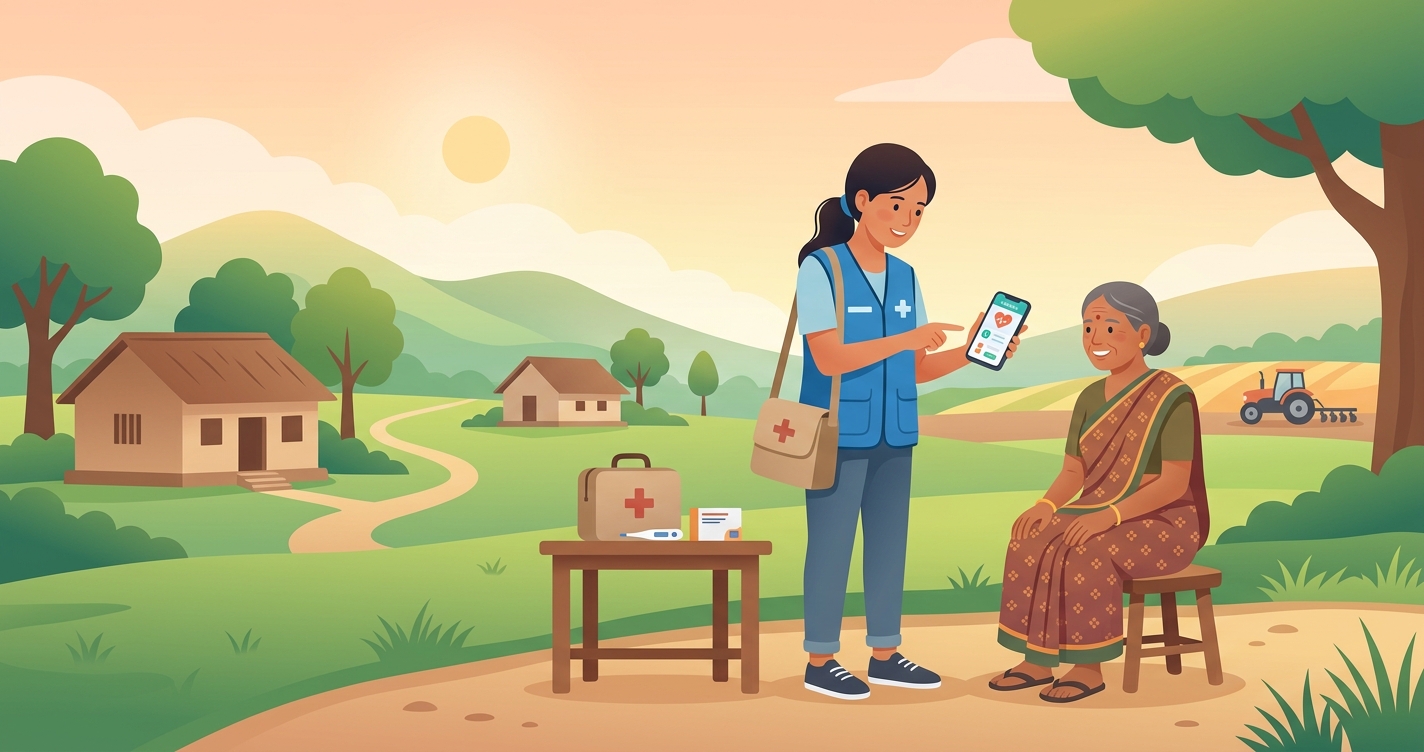
How contactless screening in developing nations lets community health workers check family vital signs with no cuffs, probes, or clinical hardware in the field.

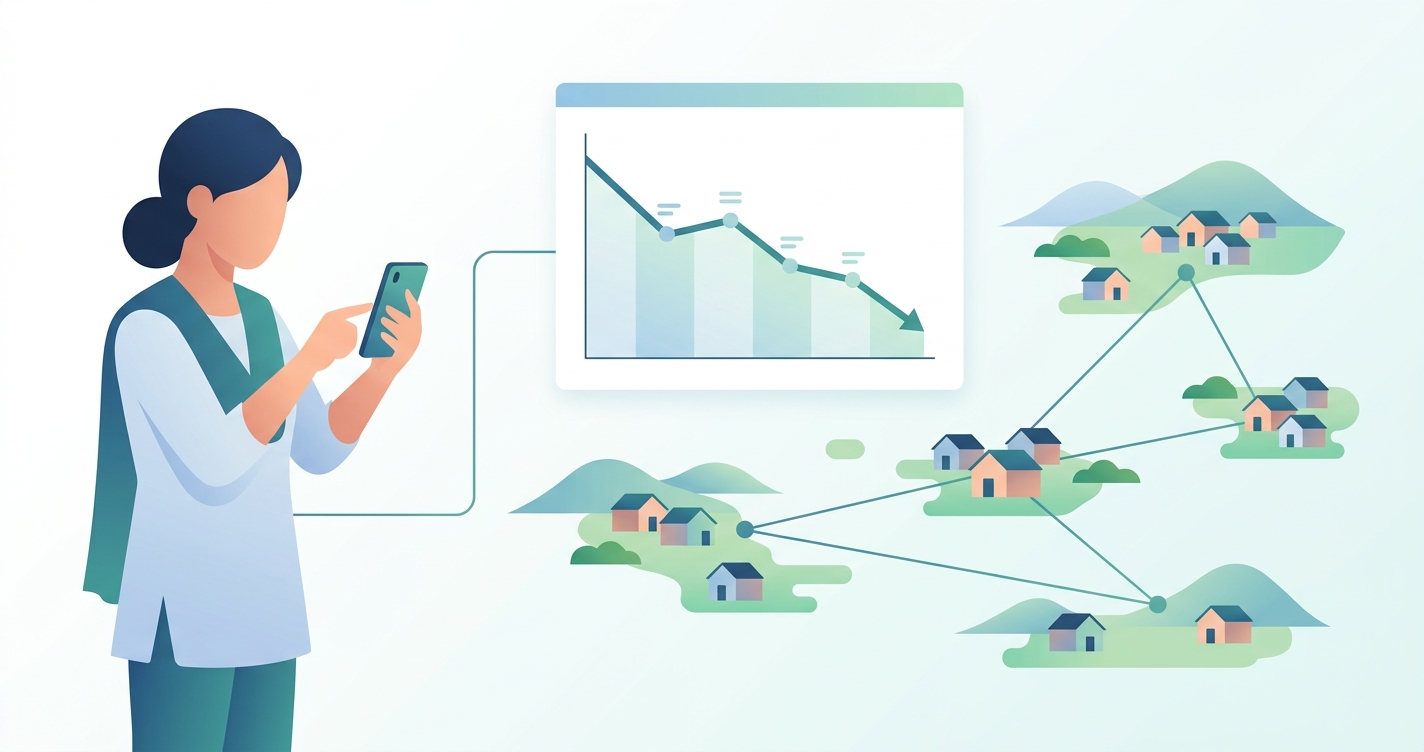
How a CHW vital signs tool on a basic phone lets community health workers monitor children at home, cutting travel and closing follow-up gaps in rural programs.

How mHealth field deployment lets community health workers check vital signs from a phone today, with research, comparison data, and deployment evidence.

Why distance still blocks routine health check-ups, and how mobile health in low-resource settings is reaching remote populations with smartphone vital signs.

Long intervals between clinic appointments present a major challenge in managing chronic conditions in low-resource settings. Mobile health technology offers a scalable solution for screening between distant clinic visits.

Overstretched medics in low-resource settings face immense cognitive loads, leading to missed symptoms. Smartphone-based tools can help by providing objective data.

When natural disasters cut off access to elderly relatives, remote health screening tools offer a vital link. Learn how mobile technology bridges the gap in low-resource settings.

For global health implementers, the challenge of how to track pregnancy without a clinic visit is a systems-level problem. This report examines the role of mobile health in remote maternal monitoring.

Explores how community health workers (CHWs) use mobile, zero-equipment technology to conduct vital signs screening in areas with no nurses or clinics.

Exploring the science of contactless blood pressure estimation using smartphone cameras for health screening in low-resource settings.

For health program implementers, the challenge to check vitals far from a clinic is a core logistical barrier. Learn how smartphone-based screening is bridging the gap in low-resource settings.
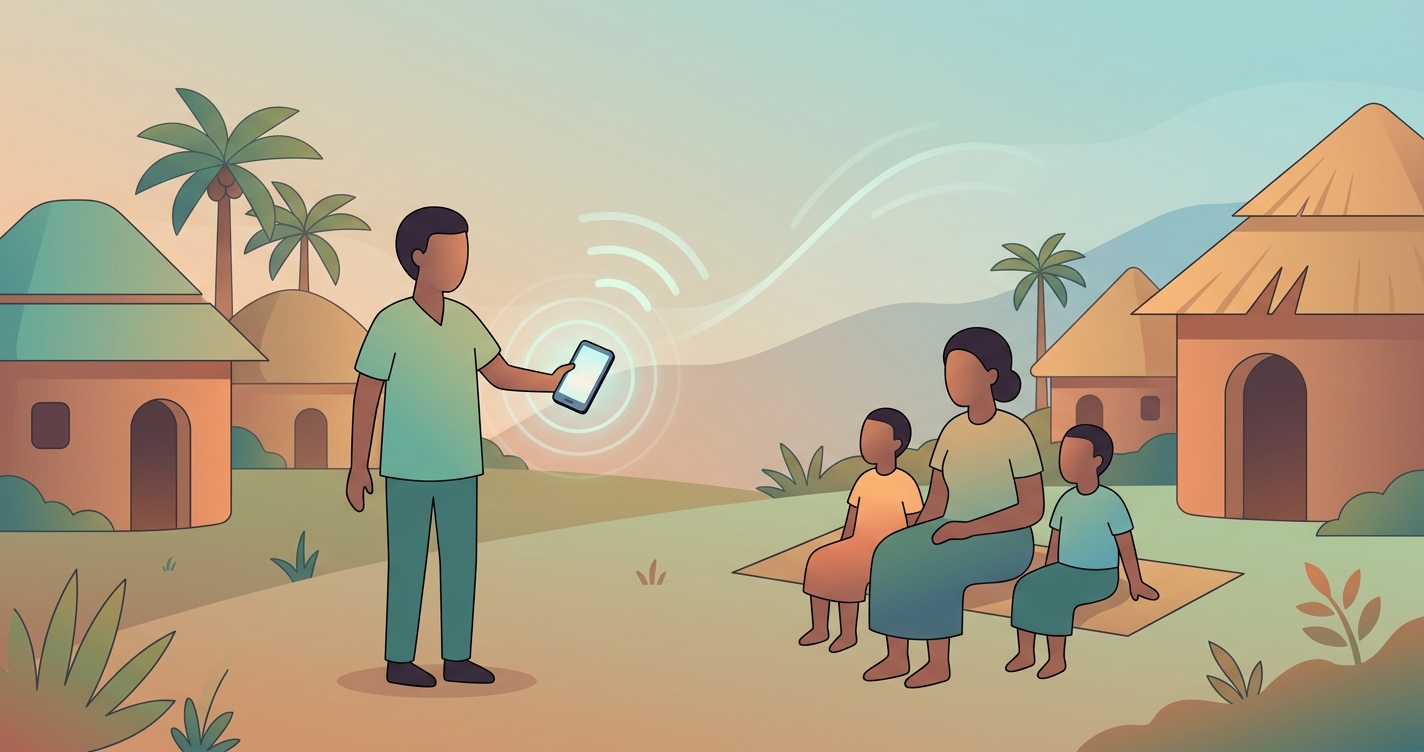
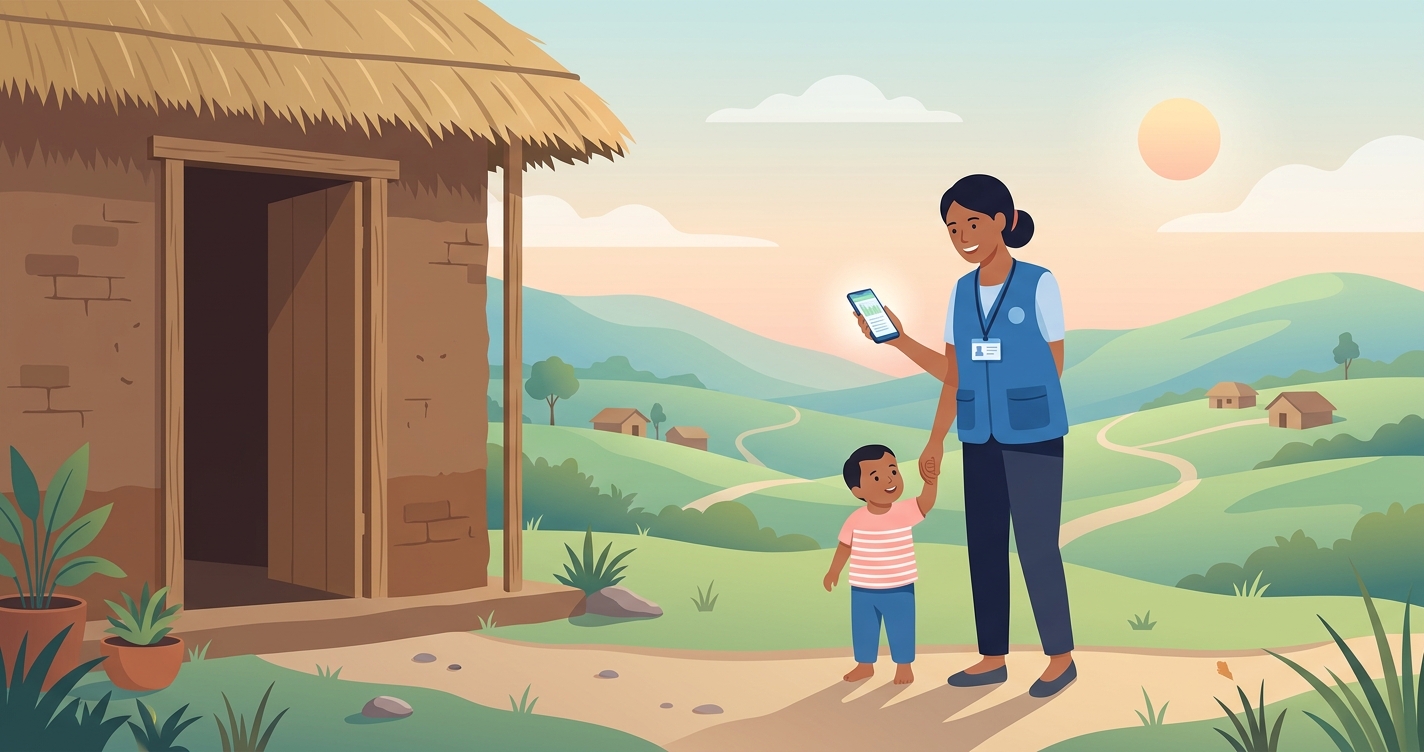
In remote settings, chest tightness presents a critical triage challenge. Exploring how mobile health tools can assist when no hospital is nearby.

A research-style analysis of whether mobile health deployments or traditional clinic construction is the better investment for global health's future.

By 2026, the mobile health field kit has transformed. Explore the essential contents, from smartphone-based diagnostics to AI-powered platforms, for global health.

For health workers in low-resource settings, knowing the danger signs in a febrile infant is critical, especially when a doctor is not accessible. This is how mobile health tools can help.

An analysis of CHW mass screening capacity, comparing traditional methods to digital workflows and exploring the logistics of reaching thousands of patients daily.

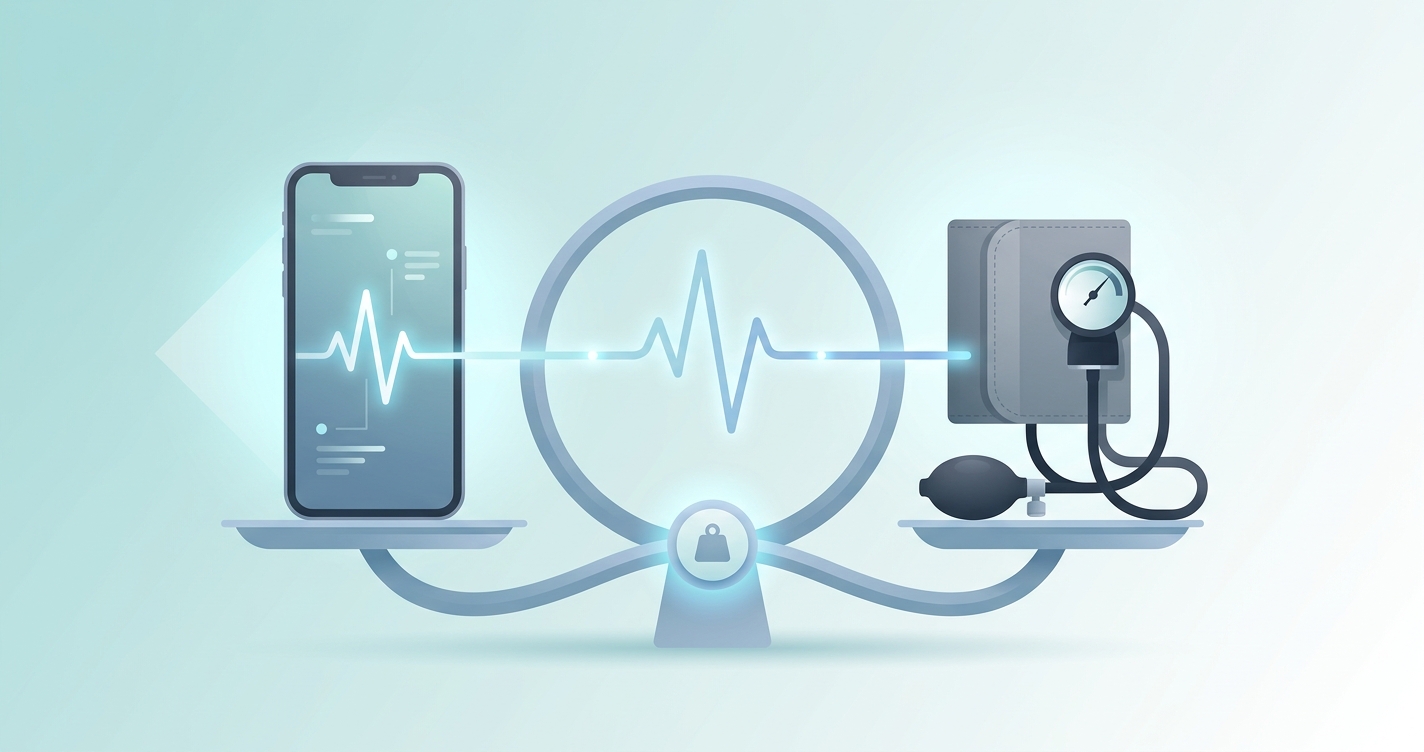
A research-style analysis of smartphone diagnosis vs. equipment accuracy, exploring current evidence, industry applications, and future trends for global health.

Imported medical devices often fail in low-resource settings due to high costs, lack of maintenance, and supply chain issues. Learn why programs are shifting towards sustainable, locally-focused solutions.

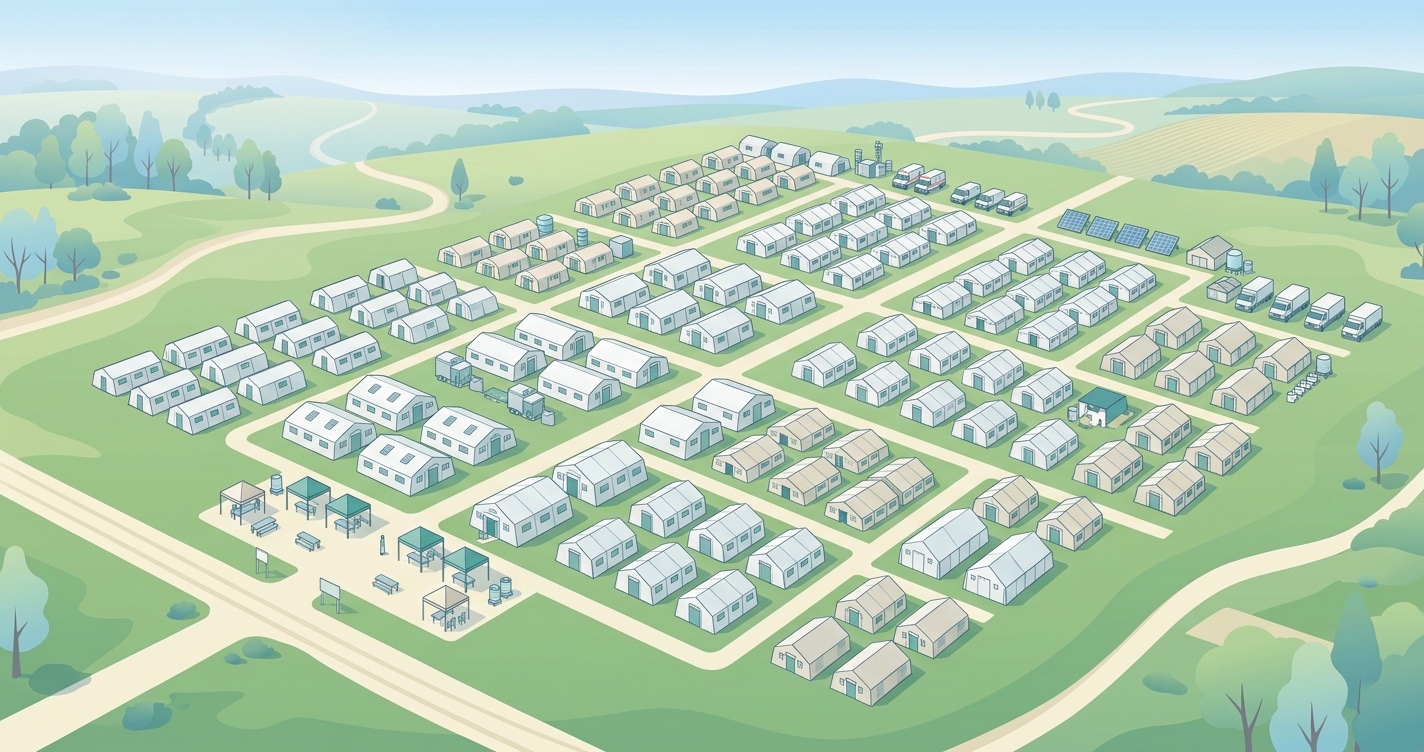
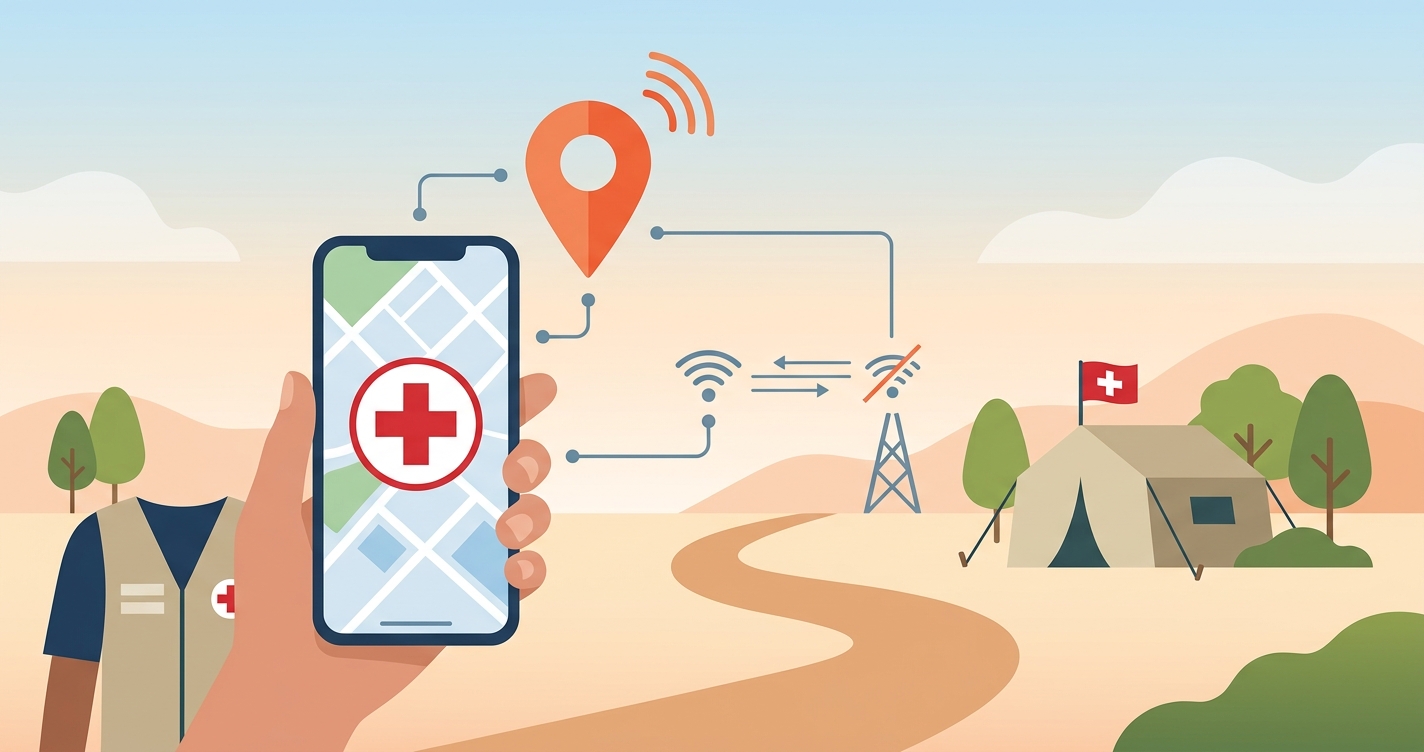
A research-style analysis of the methods, challenges, and technologies used for refugee camp vitals measurement in humanitarian settings.

The consolidation of a health worker's toolkit onto a single smartphone is driving significant efficiency and data quality gains in global health programs.

Explore why mobile health is the fastest-growing global aid category, analyzing market trends, its impact on low-resource settings, and future directions.

Can a smartphone replace a portable clinic in rural areas? A research-based look at where smartphone screening helps, and where clinics still matter.

How aid workers screen patients with no equipment: a research-based look at smartphone triage, CHW workflows, and low-resource field screening.

A research-based look at five grant funders backing mobile health technology for frontline workers, from early pilots to scaled public-health deployment.

An evidence-based analysis of how community health workers are using cuffless and smartphone-first workflows to triage hypertension risk in low-resource settings.

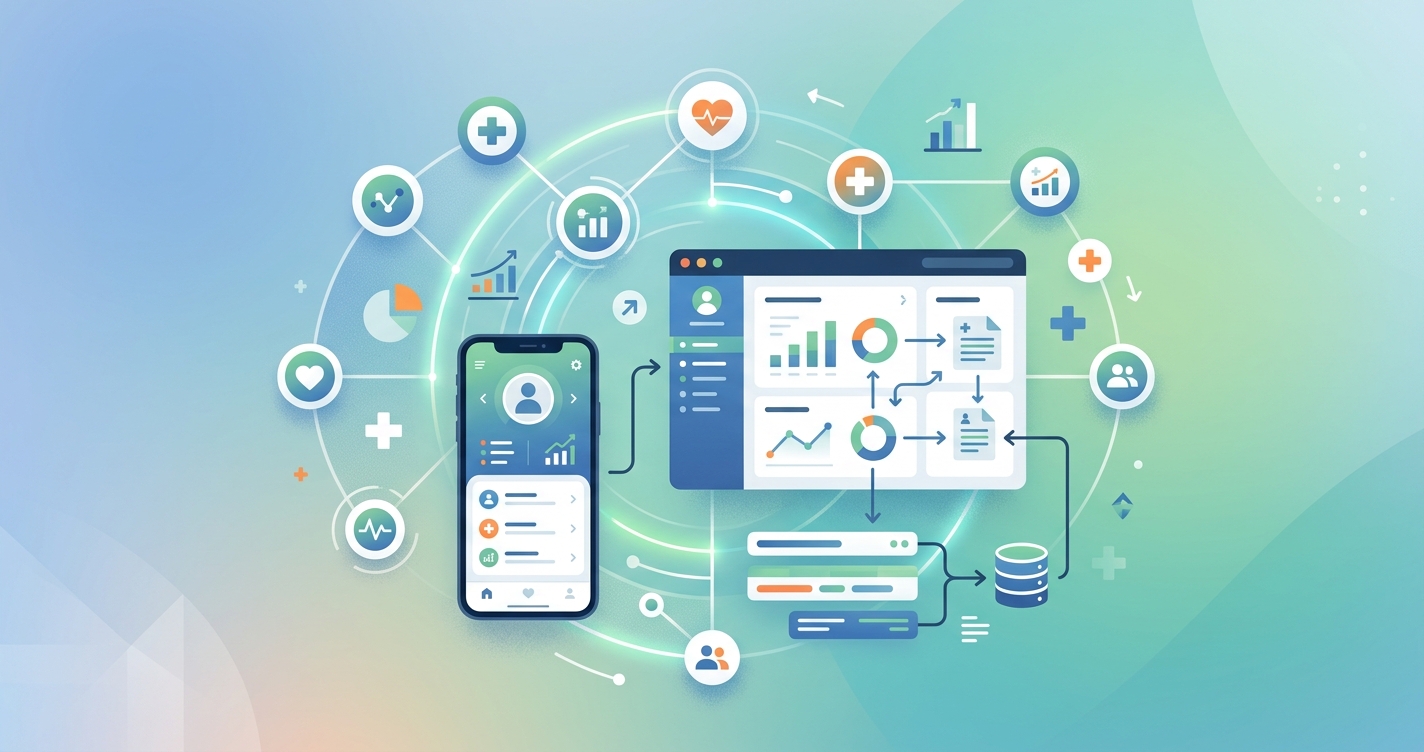
A research-based look at HL7 FHIR global health low resource interoperability, including DHIS2, OpenHIE, offline workflows, and national digital health systems.

A research-based review of failed mHealth pilots in low-resource settings, including lessons on financing, interoperability, governance, and frontline workflow design.

A research-based analysis of what a national CHW digital toolkit should include, from supervision and offline workflows to interoperability and frontline training.

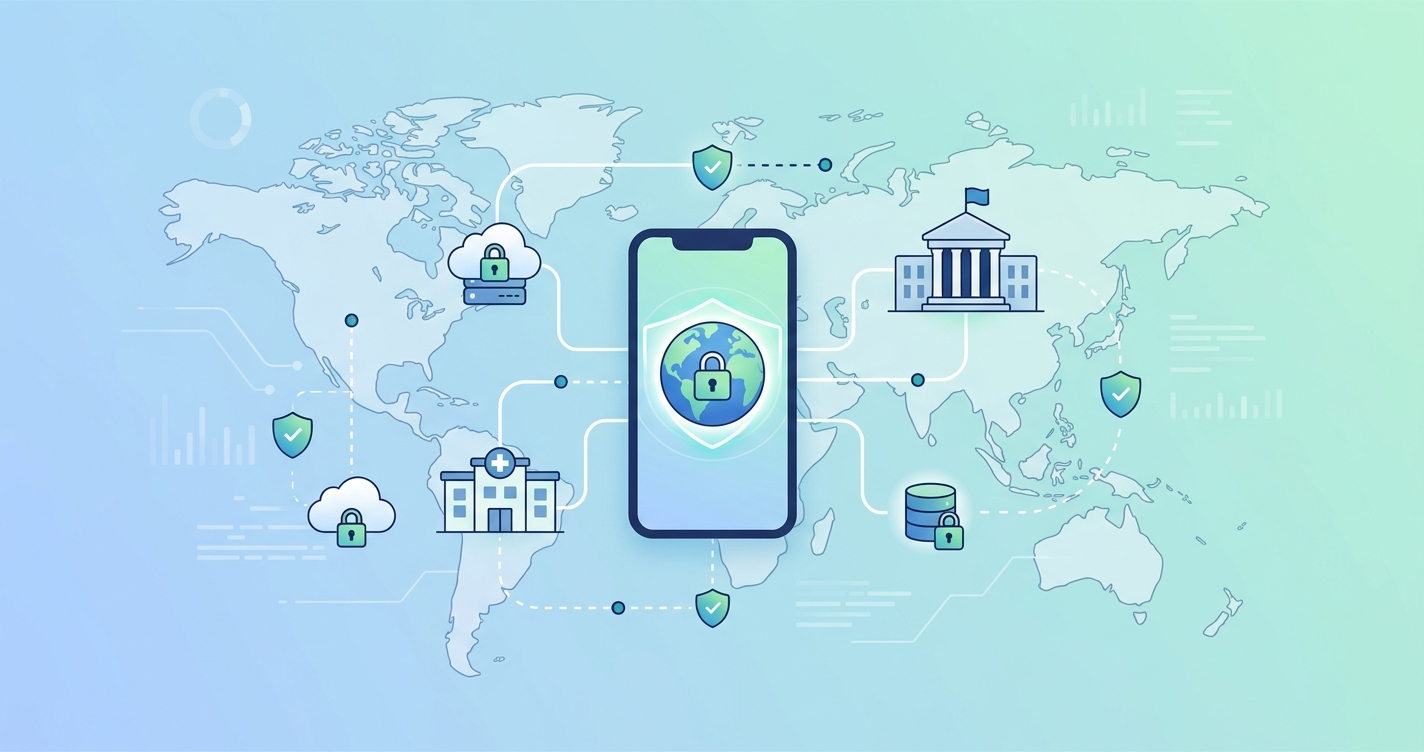
A practical look at data sovereignty in global health programs, from consent and hosting rules to cross-border research, AI governance, and ministry control.

A research-based comparison of DHIS2 vs CommCare vs ODK for mHealth field data, covering offline workflows, case management, reporting, and scale.

A research-based look at how contactless screening supports TB and HIV programs through community triage, digital workflows, and lower-friction field operations.

A research-based analysis of how digital health reduces facility-level burden in LMICs through triage, task shifting, remote follow-up, and better data flow.

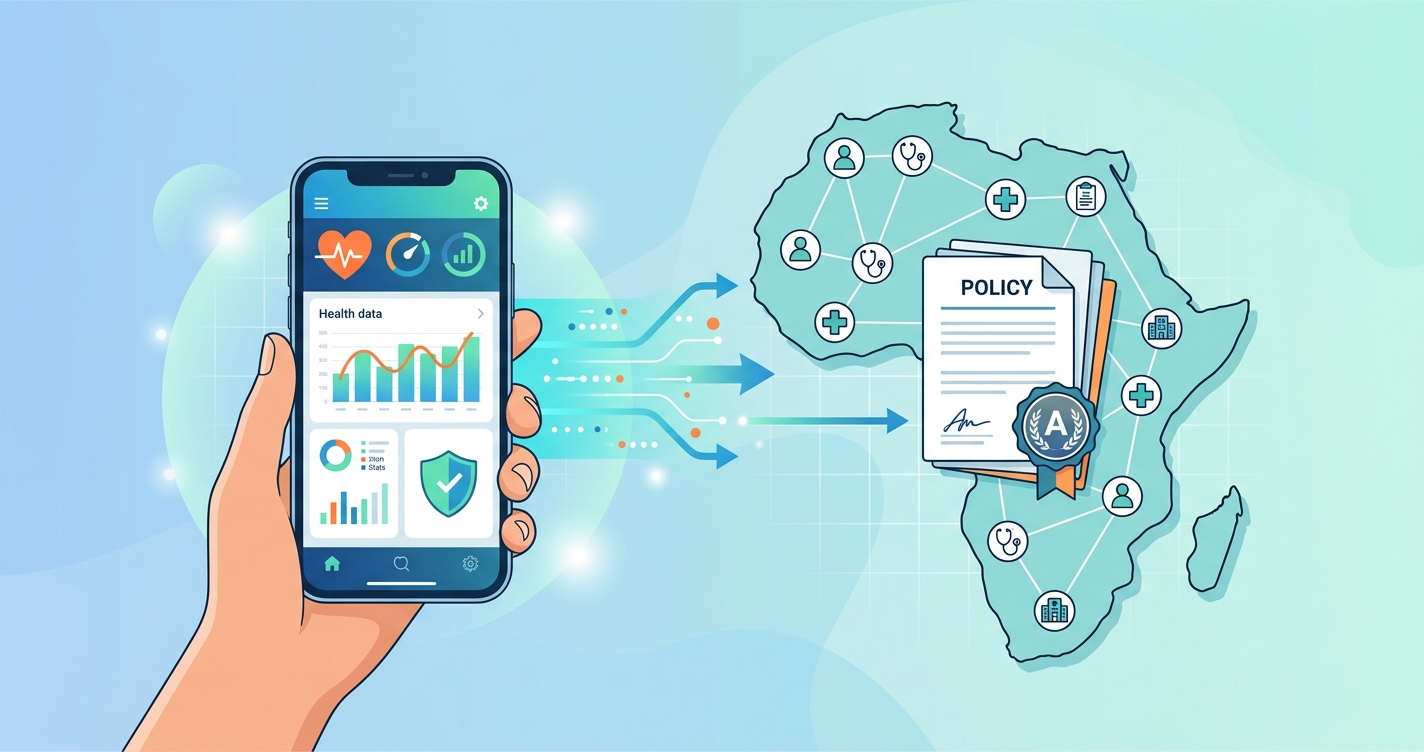
How mHealth evidence influences health policy in Africa, from CHW deployment and digital standards to financing, interoperability, and national scale-up.

A research-based analysis of how PEPFAR implementing partners integrate contactless screening into HIV programs through digital triage, referral workflows, and lighter field operations.

How to build an evidence base for digital health interventions in LMICs, with practical guidance on study design, implementation metrics, cost, and scale.

A research-based analysis of how to deploy health technology in conflict-affected areas using offline workflows, ethical data practices, and resilient field operations.

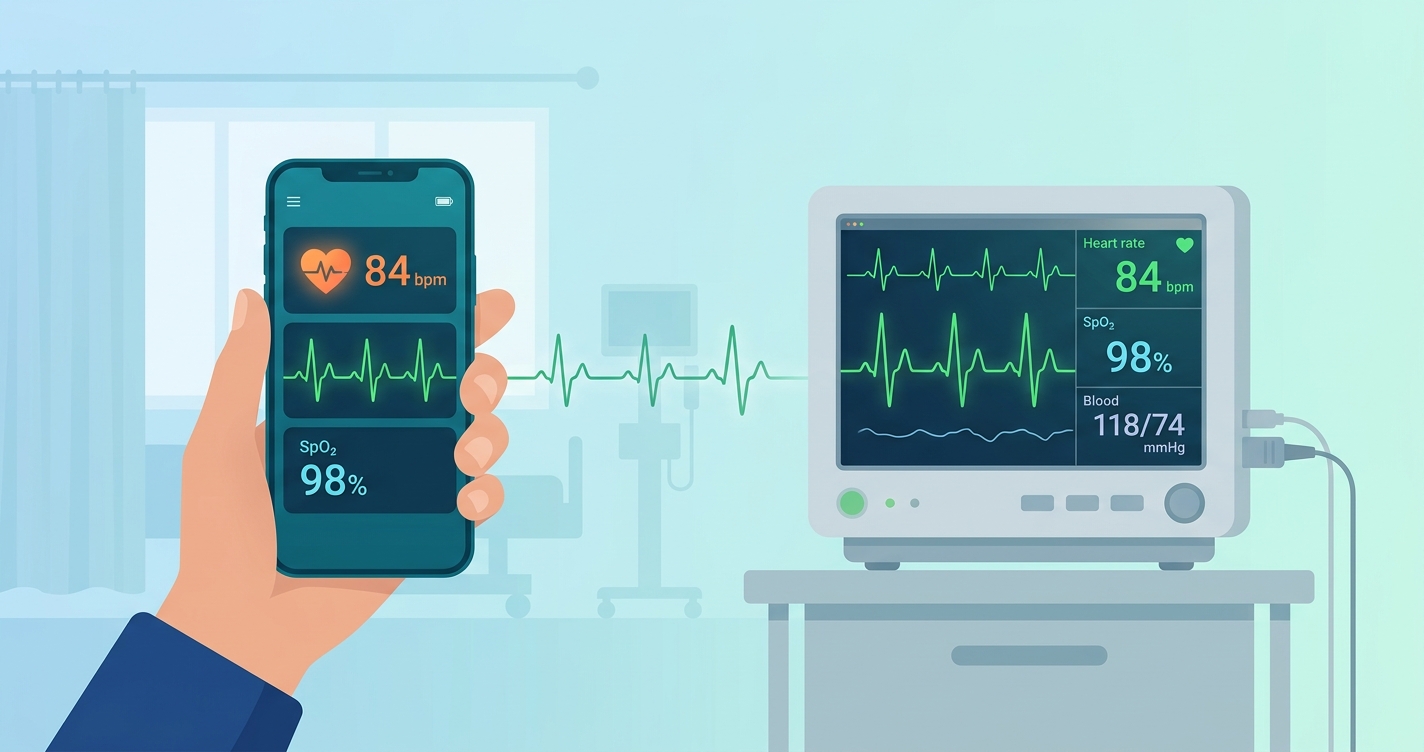
A research-based analysis of how teams validate smartphone vital signs against clinical-grade devices in low-resource and field deployment settings.

A research-based guide to interoperability standards for global health platforms, including FHIR, OpenHIE, DHIS2, and WHO SMART Guidelines in low-resource settings.

What it takes to scale a health tech pilot into a national program, from governance and financing to interoperability, field workflows, and ministry ownership.

A research-based look at how smartphone diagnostics pandemic preparedness strategies connect across surveillance, field triage, and health system resilience.

A research-based look at smartphone diagnostics in global health in 2026, from CHW workflows and connected data systems to AI-supported screening trends.

A research-based look at solar powered health stations remote screening, from energy reliability and field workflows to evidence from global health deployments.

A research-based look at what belongs in a CHW digital health toolkit for field deployment, from offline workflows and decision support to data standards.

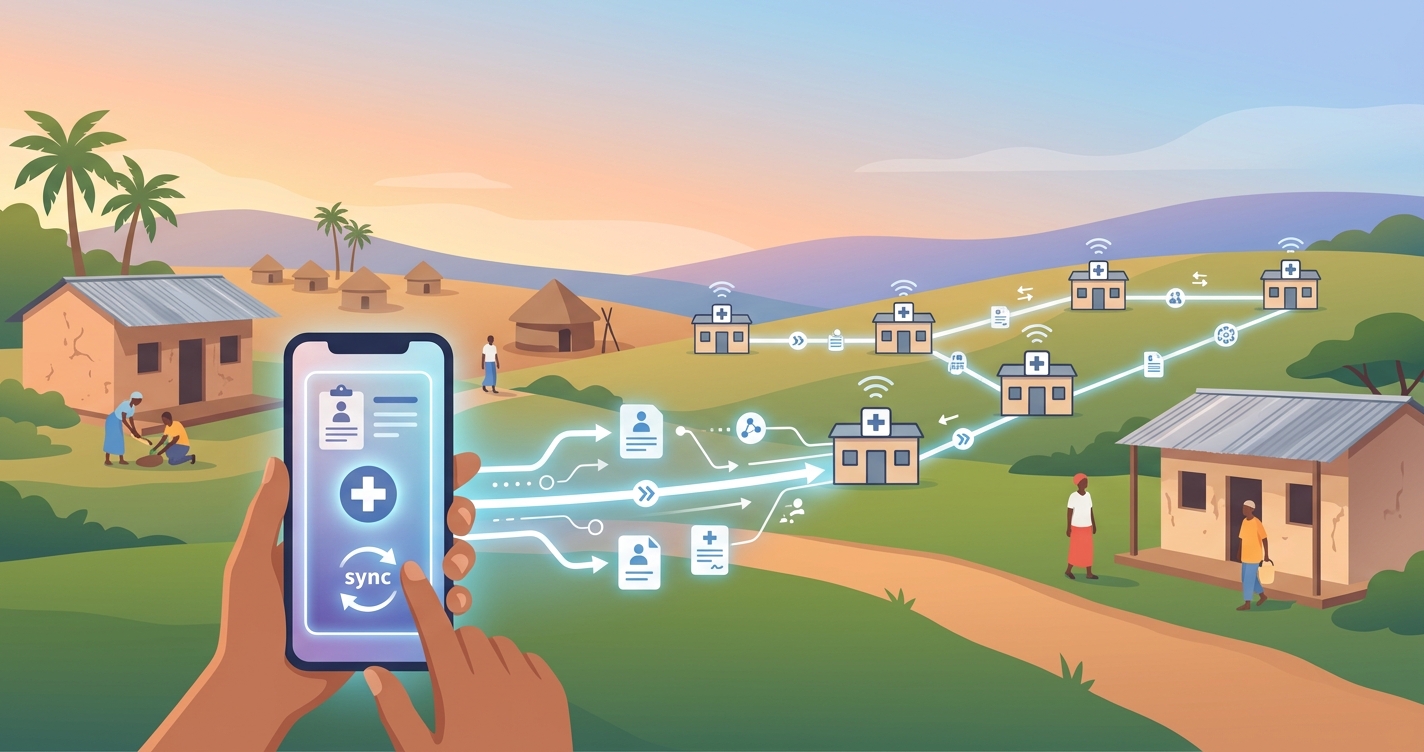
A research-based look at offline first health software apps for rural care, covering sync models, field evidence, and why they matter in low-connectivity health systems.

An evidence-based look at smartphone screening DHIS2 integration, from offline capture and Tracker workflows to interoperability, governance, and scale-up.

A research-based framework for measuring the impact of digital health interventions across reach, quality, equity, cost, and implementation outcomes.

An evidence-based look at remote health monitoring for displaced populations, from offline triage and CHW workflows to telemedicine, governance, and scale.
Virtual doctor visits lack physical examination data. Camera-based vitals monitoring is filling this critical gap in telehealth quality.

A research-based analysis of how zero-equipment vital signs collection through frontline smartphone workflows is reshaping community health screening in low-resource settings.

An analysis of how USAID-funded programs deploy digital health screening technology across global health initiatives, from PEPFAR to maternal health and NCD programs.

An evidence-based analysis of training non-clinical staff to collect vital signs in global health programs, covering curriculum design, competency frameworks, and operational lessons from large-scale deployments.

A research-backed deployment guide for mHealth programs in low-resource settings, covering infrastructure requirements, workforce integration, and sustainability models.

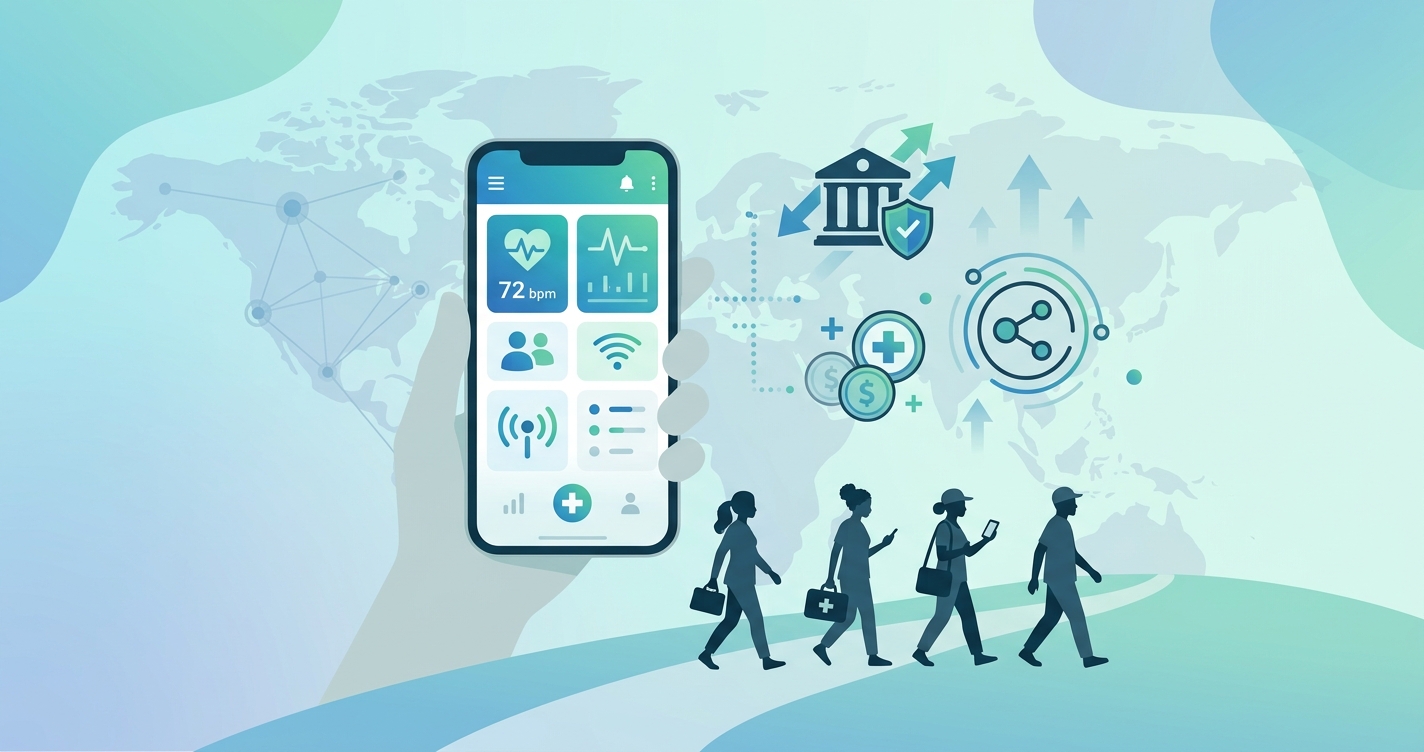
An evidence-based analysis of how mHealth platforms scale across multiple countries, examining deployment architectures, governance models, and operational lessons from multi-national health programs.

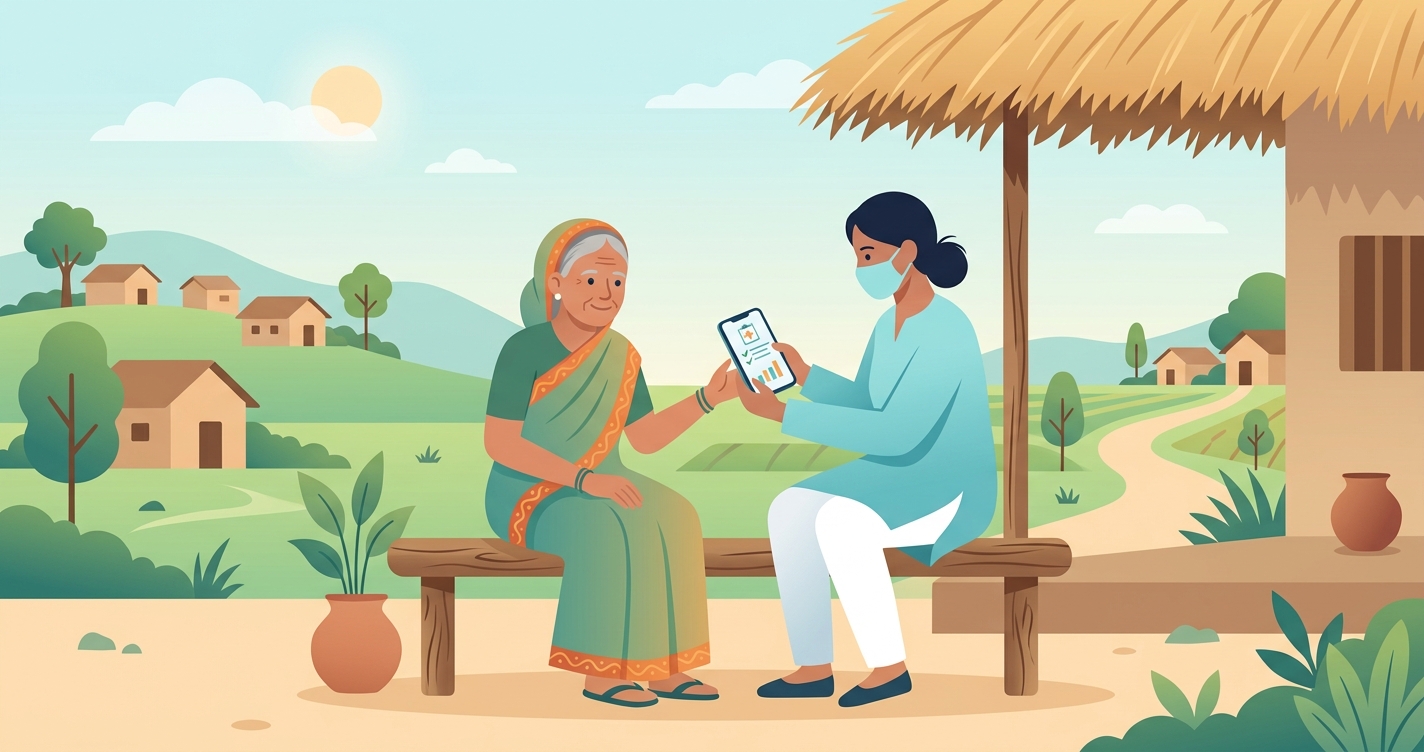
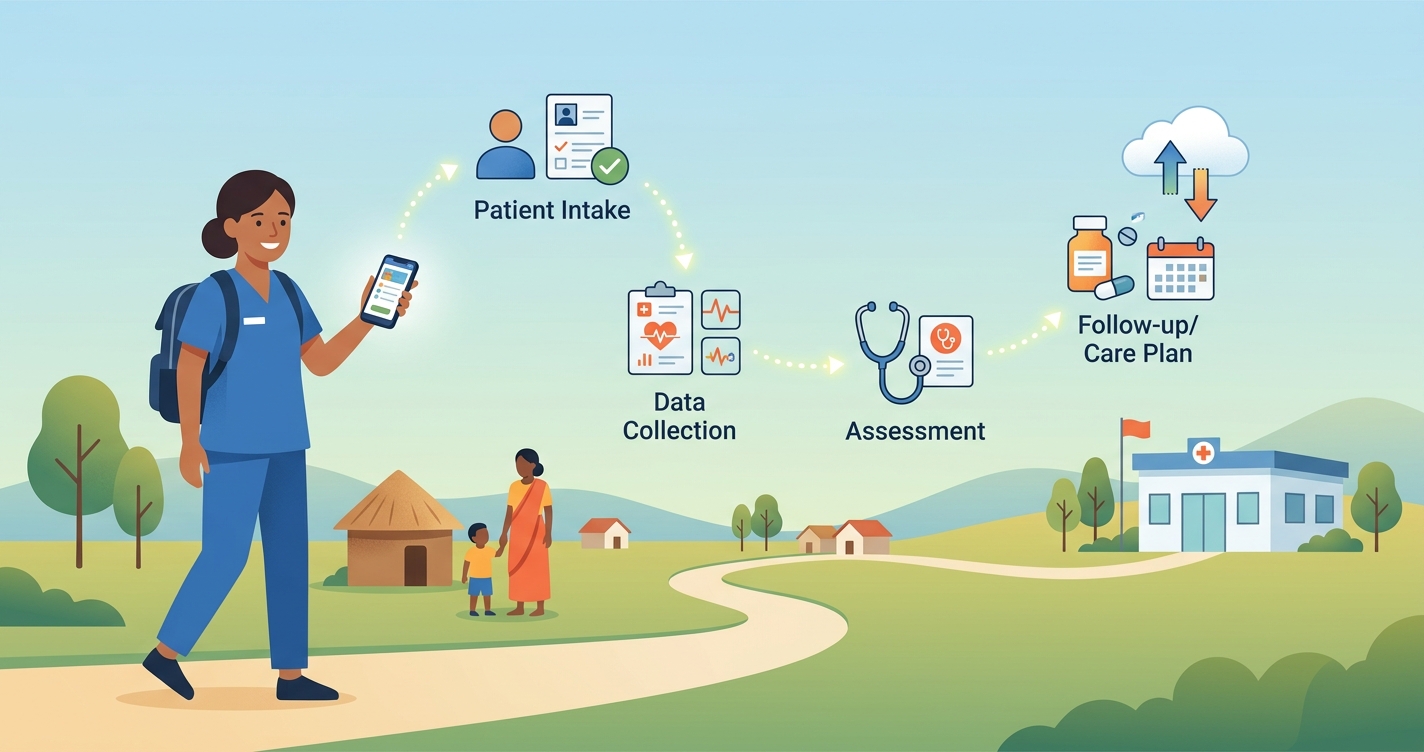
An evidence-based analysis of how community health workers are using mobile technology to collect vital signs in field settings across sub-Saharan Africa and South Asia.