Signs of Low Oxygen You Can Catch With a Phone Camera
How frontline workers and families spot low blood oxygen early using phone-based screening when no oximeter is available in low-resource settings.
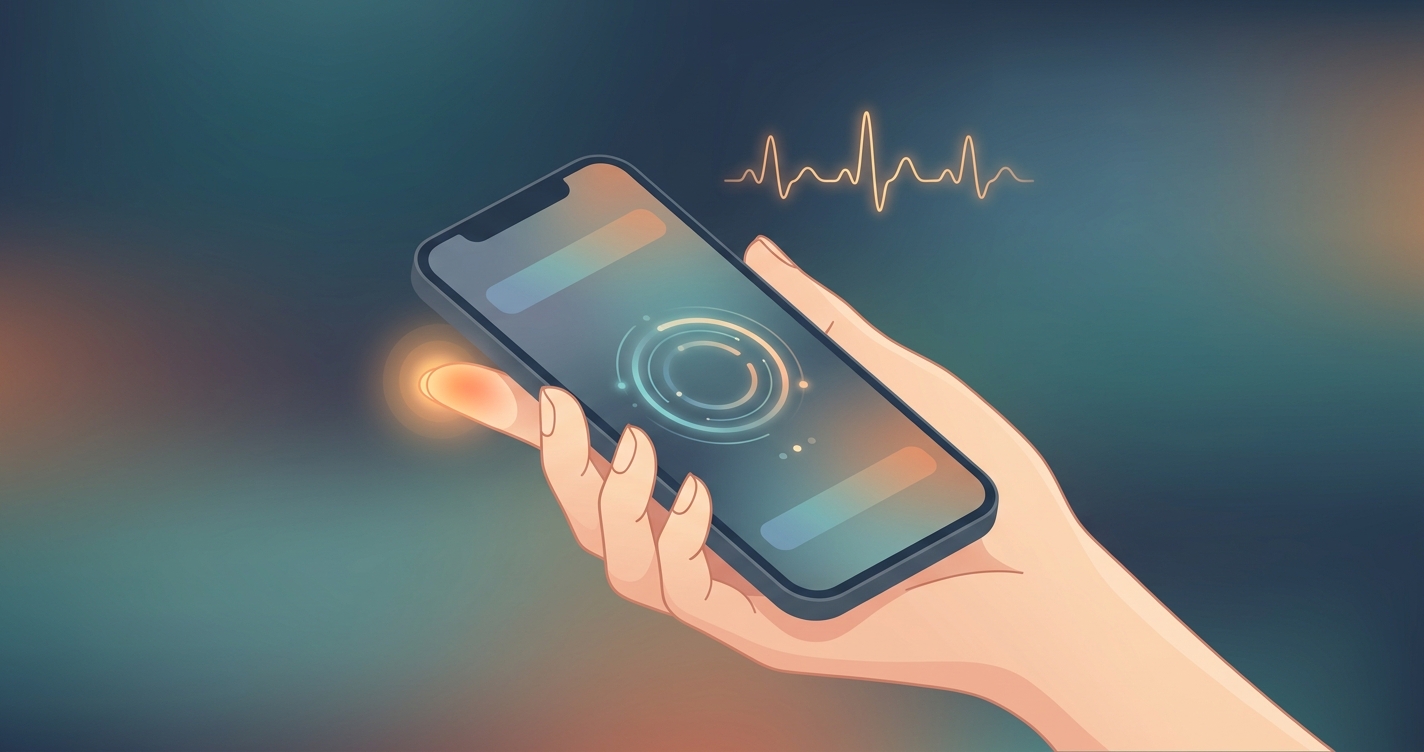
Low blood oxygen is one of the most dangerous conditions a frontline worker can miss, because it often hides behind symptoms that look like ordinary illness until the patient is in crisis. The growing field of low oxygen signs smartphone screening sits at the intersection of two stubborn realities: hypoxemia kills quietly, and the device built to detect it, the pulse oximeter, is simply not present in most of the places where it is needed. For community health workers, refugee camp clinicians, and families separated from a health post by hours of travel, the question is no longer abstract. It is whether the phone already in someone's pocket can surface the warning signs of oxygen deficit before a child stops breathing.
Children with oxygen saturation below 90 percent face roughly 5.47 times higher odds of death from acute lower respiratory infection in low- and middle-income countries, yet pulse oximeter availability in facilities ranges from 0 to 64 percent. - Lazzerini et al., PLOS One systematic review
Why low oxygen signs and smartphone screening matter together
Hypoxemia is the gap between how sick a patient looks and how sick they actually are. A child with pneumonia can appear alert while their blood oxygen quietly falls below the threshold where organs begin to fail. The World Health Organization estimates that of the 4.9 million children under five who died in 2024, roughly 13 percent died from pneumonia, and hypoxemia is the single strongest predictor of who among them survives. A 2022 meta-analysis led by Ilaria Lazzerini and colleagues found that hypoxemia affects about 31 percent of children with WHO-classified pneumonia, rising to 41 percent in severe cases.
The problem is detection. A pulse oximeter is cheap by hospital standards but absent at the community level, where most first contact happens. This is the gap that low oxygen signs smartphone screening attempts to close, in two complementary ways. The first is teaching frontline workers and caregivers to recognize the physical signs that the body shows when oxygen drops. The second is using the phone camera itself as a measurement instrument, either to estimate oxygen saturation directly or to document signs objectively for remote review.
Both approaches accept the same premise: when no oximeter exists, doing nothing is the worst option. A trained eye paired with a camera is better than a guess.
What the body shows when oxygen falls
Before any technology enters the picture, the human body broadcasts hypoxemia through observable signs. Frontline training programs build screening protocols around these. The most reliable visual cues include:
- Cyanosis, a bluish or grayish tint to the lips, tongue, gums, fingertips, or nail beds, which typically appears as saturation drops below 85 percent
- Fast or labored breathing, with visible pulling-in of the skin between or below the ribs
- Nasal flaring in infants and grunting on each breath
- Restlessness, confusion, or unusual drowsiness as the brain registers oxygen debt
- A head-nodding rhythm in small children struggling to breathe
Cyanosis is the sign most amenable to camera capture, because it is fundamentally a color change. The challenge is that visual assessment alone is unreliable. Lighting, skin tone, surrounding colors, and the observer's own perception all distort the judgment. Research on infant cyanosis detection has shown that converting images to standardized color spaces and applying color-correction algorithms produces far more consistent quantification than the naked eye, which is precisely why a phone camera, paired with software, can outperform unaided visual triage.
Comparing field screening options for low oxygen
When a team plans screening for a setting with no oximeter, the practical choice is between several imperfect methods. The table below compares them on the factors that matter to a program planner.
| Screening method | Equipment needed | Catches early hypoxemia | Works on dark skin tones | Field practicality |
|---|---|---|---|---|
| Unaided visual cyanosis check | None | Poor, only at severe drops | Weakest, color masked | High but unreliable |
| Counting breaths plus visual signs | Timer or watch | Moderate | Moderate | High |
| Phone camera color analysis of lips or nail beds | Smartphone, app | Moderate to good | Improving with correction | High |
| Phone camera fingertip PPG with flash | Smartphone, app | Good | Variable, under study | High |
| Standalone pulse oximeter | Dedicated device | Best | Known calibration bias | Limited by supply |
No phone method replaces a validated oximeter where one exists. The realistic comparison is against the alternative that frontline teams actually face, which is unaided visual judgment or nothing at all.
Industry applications across low-resource settings
Community health worker triage
For community health workers conducting household visits, smartphone screening fits the existing workflow. A worker already photographing rapid diagnostic tests or logging symptoms can add a guided capture of a child's lips or fingertips. The phone standardizes what a worker sees, flags concerning color or breathing patterns, and routes high-risk cases toward referral. This turns subjective judgment into a documented, reviewable data point.
Refugee camps and humanitarian response
In displacement settings where oximeter supply is unpredictable and patient volume is overwhelming, contactless oxygen screening for developing nations offers a way to triage at scale. A single phone can screen many patients in sequence without consumables, sterilization, or batteries beyond the device itself.
Family and caregiver use
Families separated from clinics by distance or flooding are increasingly the first responders to their own emergencies. A caregiver guided through a smartphone SpO2 check, or simply taught what cyanosis looks like on camera, gains a few critical hours of warning. The goal is not diagnosis at home. It is recognizing when the journey to a health post can no longer wait.
Current research and evidence
The strongest signal that phones can measure oxygen, not just document signs, comes from a 2023 study by researchers at the University of Washington and the University of California San Diego, including Matthew Thompson and Edward Wang. Using an unmodified smartphone camera and flash with a deep-learning algorithm, they measured saturation across more than 10,000 readings ranging from 61 to 100 percent, detecting levels as low as 70 percent and correctly flagging readings below 90 percent about 80 percent of the time.
Earlier controlled work pointed the same direction. A smartphone camera oximetry study under induced hypoxemia, published on arXiv in 2021 by Jason Hoffman and colleagues at the University of Washington Ubicomp Lab, reported 81 percent sensitivity and 79 percent specificity for detecting saturation below 90 percent. On the cyanosis side, work presented at the Medical Image Understanding and Analysis conference in 2018 demonstrated that color correction of infant images substantially improves objective cyanosis quantification over raw photographs.
Implementation research matters as much as accuracy. The Phefumla Project in South Africa, documented in a human-centered design study published in JMIR, worked directly with health care workers to design a smartphone-based pulse oximeter for children, surfacing the practical demands of trust, training, and workflow fit that determine whether any tool survives contact with the field. Modeling by groups studying pulse oximetry scale-up suggests that pairing oximetry with oxygen access could avert up to 148,000 child deaths across 15 high-burden countries, which sets the stakes for any method that widens screening coverage.
The future of smartphone oxygen screening
The trajectory points toward screening that needs no added hardware and works across the full range of human skin tones. The known calibration bias of conventional oximeters on darker skin, widely discussed since 2020, gives camera-based methods both a challenge and an opportunity: any new approach must be validated across diverse populations from the start, not retrofitted later. Expect tighter integration with the data platforms community health workers already use, so an oxygen flag becomes a referral trigger rather than an isolated number. The combination of breath counting, color analysis, and fingertip signal in a single guided capture is the most likely near-term form, because no single signal is strong enough alone.
Frequently asked questions
Can a phone camera really replace a pulse oximeter?
Not as an equivalent clinical device. Where a validated oximeter is available, it remains the standard. Phone-based screening matters most where no oximeter exists, turning unaided guesswork into a documented, reviewable signal that helps frontline teams decide who needs urgent referral.
What is the most reliable low oxygen sign to catch on camera?
Cyanosis, the bluish tint of lips, gums, and nail beds, is the most camera-friendly sign because it is a color change software can quantify. It is paired with breathing rate and effort, since color alone appears only after oxygen has already fallen significantly.
Does smartphone screening work on all skin tones?
It is an active research priority. Cyanosis is harder to see by eye on darker skin, and conventional oximeters carry known calibration bias. Camera methods using color correction aim to reduce that gap, but any deployment should require validation across the populations it will serve.
Who should use these tools in the field?
Community health workers, humanitarian clinicians, and trained caregivers are the primary users. The tools are designed to support triage and referral decisions, not to provide a final diagnosis on their own.
Circadify is building toward this exact gap, developing respiratory and vital-sign screening tools that put zero-equipment assessment in the hands of frontline workers where dedicated devices never arrive. Global health researchers and implementing partners evaluating field-ready approaches can review deployment case studies and the wider evidence base in the global health section at circadify.com/blog.