
Contactless Malaria Screening in Developing Nations
How smartphone-based vital sign screening helps triage fever and malaria risk in low-resource settings, enabling faster outbreak response without hardware.
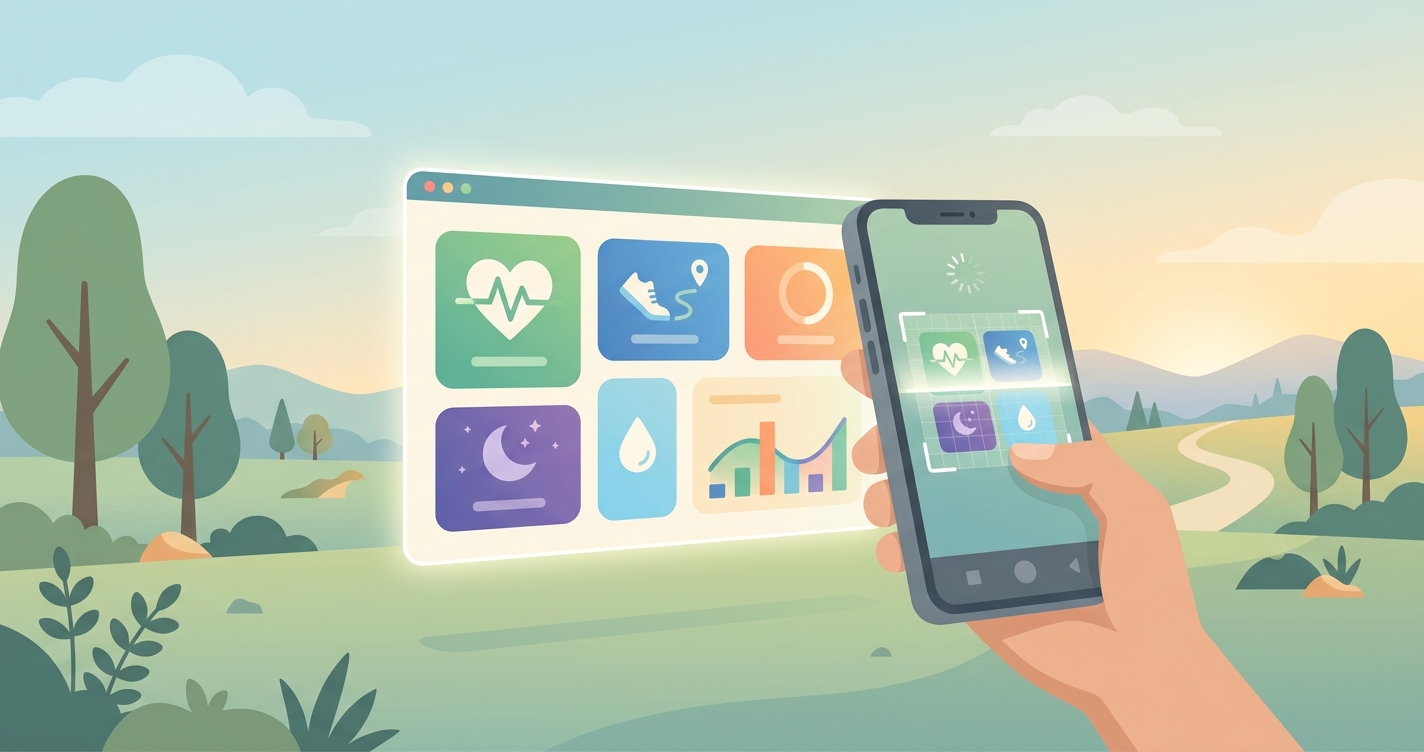
Global health supply chains face a mathematical impossibility during regional malaria outbreaks. Procuring and distributing thousands of clinical-grade thermometers to community health workers in remote villages requires months of planning, yet outbreaks escalate in days. For USAID and PEPFAR implementers, relying on hardware that requires physical contact creates logistical friction and cross-contamination risks at the exact moment speed is required. Overcoming this bottleneck requires moving away from physical consumables. By shifting to contactless screening developing nations can triage fever and direct limited rapid diagnostic tests to the highest-risk patients, bypassing the fragile hardware supply chain entirely.
Malaria remains one of the most severe public health challenges in the world, particularly across sub-Saharan Africa and Southeast Asia. When rainy seasons trigger mosquito population surges, the resulting wave of febrile illness overwhelms rural health posts. Health workers are tasked with separating standard viral fevers from life-threatening parasitic infections. Doing this efficiently requires immediate, accurate triage. However, the legacy model of global health logistics insists on sending boxes of plastic devices to solve this problem. This approach is no longer financially or operationally viable. The future of outbreak management relies on deploying software directly to the devices that frontline workers already carry.
"In resource-constrained environments, the ability to turn a commodity smartphone into a triage tool changes the fundamental economics of outbreak response, eliminating the cost of distributing and maintaining single-use diagnostic hardware."
- Global Health Technology Report, 2023
How contactless screening developing nations deploy changes outbreak logistics
When community health workers arrive in a village to screen for malaria, they do not administer a rapid diagnostic test to every resident. The standard protocol requires identifying patients with an active fever or a recent history of fever. The bottleneck is the temperature measurement. Clinical thermometers are fragile, their batteries degrade in extreme heat, and they require sanitization between every patient. When a health worker is screening hundreds of people in a single afternoon, wiping down a plastic probe is both an infection risk and a severe delay.
The challenge of hardware procurement is not the base cost of the device. The true cost lies in the distribution network. Shipping a palette of digital thermometers to a capital city is simple, but moving those devices over flooded dirt roads to rural health posts involves massive overhead. Furthermore, physical devices break. They are dropped, exposed to rain, and left in vehicles that reach extreme temperatures. When a device fails in the field, the health worker loses their ability to triage effectively.
By eliminating the physical hardware requirement, global health programs can accelerate the triage phase. Contactless solutions allow mobile health platforms to use the sensors already present in a community health worker's mobile device to assess vital signs. This shifts the intervention from a hardware procurement problem to a software deployment solution, allowing ministries of health to update and scale their screening protocols instantly over cellular networks.
| Feature | Traditional Thermometers | Contactless Smartphone Triage |
|---|---|---|
| Hardware Required | Dedicated clinical device | Existing community health worker smartphone |
| Supply Chain | Requires continuous physical procurement | Zero physical distribution required |
| Cross-Contamination Risk | High, requires chemical sanitization | Zero, no physical contact required |
| Cost Per Screening | Includes batteries and single-use covers | Fixed software deployment cost |
| Data Integration | Manual entry into electronic health records | Automatic synchronization with national databases |
Current research and evidence
The shift toward device-free screening relies on repurposing smartphone sensors that already exist in billions of consumer devices. In 2023, Joseph Breda and a research team at the University of Washington published their findings on "FeverPhone," a system designed to transform a standard smartphone into a clinical tool. Their software utilizes the internal temperature sensors, known as thermistors, which phones use to monitor their own battery heat. The application combines this data with the capacitive touchscreen to estimate core body temperature. In clinical trials, the system demonstrated a mean absolute error of just 0.23 degrees Celsius. This level of precision is comparable to consumer-grade thermometers, and it requires absolutely no external hardware attachments.
Other research pathways focus on optical sensors and artificial intelligence. Remote photoplethysmography (rPPG) uses the smartphone camera to detect micro-variations in light absorption under the human skin. Every time the heart beats, a pulse of blood changes the skin's color slightly, invisible to the human eye but measurable by a digital camera. This technology allows software to calculate heart rate and respiratory rate without touching the patient. Because elevated vital signs serve as secondary indicators of physiological stress and potential fever, these contactless measurements offer a rapid method for sorting patients during a malaria surge.
Additionally, researchers at the National Institutes of Health and the National Library of Medicine have developed the NLM MalariaScreener. This mobile application uses deep learning algorithms to analyze blood smears via smartphone cameras, showing how advanced artificial intelligence is moving diagnostic power directly onto the mobile device. Together, these technologies represent a massive leap in how low-resource settings handle diagnostics.
Implementing these software-based tools offers specific advantages for high-volume deployments:
- Eliminates the need for reverse logistics to repair or replace broken medical devices in the field.
- Reduces the chemical load and recurring costs associated with sanitizing wipes and single-use probe covers.
- Standardizes data collection by tying vital sign measurement directly to the electronic health record application, reducing human transcription errors.
- Accelerates the screening process, allowing a single community health worker to evaluate more patients per hour during a crisis.
Industry applications for field triage
Conserving rapid diagnostic tests
Malaria rapid diagnostic tests are highly effective but represent a finite resource during an outbreak. Health ministries must allocate these tests based on precise risk assessments. If a clinic runs out of rapid tests because they were used indiscriminately on patients without fevers, they lose the ability to diagnose the most critical cases. Contactless vital sign screening allows implementing partners to rapidly sort populations, ensuring that expensive diagnostic consumables are used only on patients exhibiting physiological signs of infection. This targeted approach protects the medical supply chain from exhaustion.
High-volume mass screening
During the rainy season, entire districts require rapid evaluation. Mobile health platforms equipped with contactless tools can process lines of patients without the mandatory pause for equipment cleaning. This velocity is critical when attempting to map the geographic spread of a malaria cluster in real time. A community health worker can point a phone at a patient, record their vital signs, and immediately move to the next individual, drastically reducing the time spent per household in rural villages.
Furthermore, this speed directly impacts patient compliance. When screening processes are long and uncomfortable, community members are less likely to participate in mass campaigns. Removing the physical intrusion of traditional temperature checks creates a more cooperative environment, especially when dealing with pediatric populations who may be frightened by medical equipment. The result is a higher volume of citizens screened per day, providing a more comprehensive dataset for local health ministries to analyze.
Real-time epidemiological surveillance
When vital signs are captured via smartphone, the data is inherently digital. Traditional thermometers require the health worker to read a screen and write the number in a paper ledger, which might not be entered into a national database for weeks. Software-based screening automatically logs the temperature, pairs it with a GPS coordinate, and uploads the data to health information systems like DHIS2. This allows global health researchers and ministries of health to track fever clusters geographically, predicting exactly where the malaria outbreak will spread next.
This immediate feedback loop transforms how international organizations allocate their funding. Instead of reacting to month-old reports of malaria fatalities, program directors can view a live dashboard showing a sudden spike in fever presentations in a specific province. They can then preemptively route antimalarial therapeutics and rapid diagnostic tests to those exact coordinates before the local clinic runs out of stock.
The future of contactless malaria screening
As smartphone penetration deepens in low-income regions, the distinction between a communication device and a medical screening tool will disappear. The cost of manufacturing high-quality optical sensors continues to drop, meaning the budget smartphones distributed to health workers will possess the camera quality necessary for highly accurate remote photoplethysmography.
Future iterations of mobile health software will likely combine optical vital sign extraction with automated symptom questionnaires, creating a unified triage protocol. This integration will allow artificial intelligence to flag high-risk malaria cases based on a combination of elevated heart rate, respiratory distress, and estimated core temperature, long before a physical test kit is unsealed. Implementing organizations will be able to manage massive regional health initiatives entirely through cloud-deployed software updates, stripping away the friction of hardware logistics.
Frequently asked questions
How does a smartphone detect physiological signs of fever?
Researchers utilize existing hardware like battery thermistors or the camera sensor. The FeverPhone model measures heat transfer through the capacitive touchscreen. Camera-based methods rely on remote photoplethysmography to track heart rate and respiratory rate, which naturally elevate during a febrile response. Both methods bypass the need for external clinical hardware.
Why is physical equipment a problem for malaria screening?
Distributing physical thermometers to thousands of rural clinics requires complex logistics, continuous battery replacements, and a steady supply of sanitizing chemicals. During an outbreak, supply chains often fail to deliver these physical goods fast enough, creating delays in triage and increasing the risk of cross-contamination between patients.
Can contactless screening replace malaria blood tests?
No. Contactless screening is a triage tool designed to identify patients who require further testing. It does not detect the malaria parasite itself, but rather the physiological symptoms of the infection, helping workers allocate rapid diagnostic tests efficiently and saving resources for those who truly need them.
What are the deployment requirements for software-based screening?
The primary requirement is an Android or iOS device with a functioning camera and an internet connection for the initial software download. Once installed, many of these applications can process vital signs offline, syncing the epidemiological data to a central database only when the health worker returns to an area with cellular connectivity.
Procurement teams and implementing partners are increasingly looking for ways to scale their health interventions without scaling their hardware budgets. Circadify is addressing this space by developing software-based vital sign assessment tools designed for the exact constraints of low-resource environments. By eliminating the reliance on fragile clinical devices, global health programs can deploy faster and reach more patients. To learn how device-free screening integrates into large-scale outbreak responses, review our Deployment case studies and see how frontline health systems are moving beyond the physical supply chain.