Can my elderly father be checked at home when the road is flooded out?
When natural disasters cut off access to elderly relatives, remote health screening tools offer a vital link. Learn how mobile technology bridges the gap in low-resource settings.
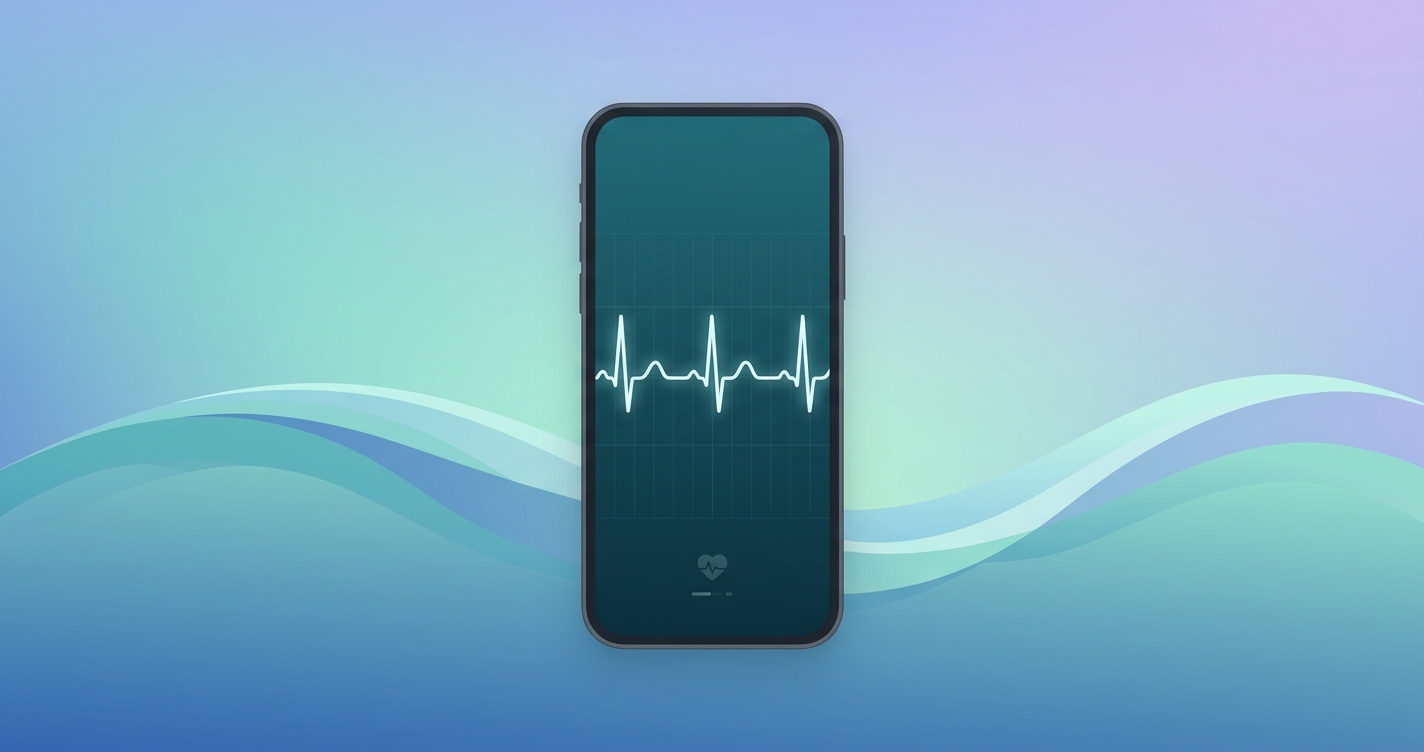
The question is no longer hypothetical. With infrastructure becoming more fragile in the face of extreme weather events, families are increasingly asking how they can ensure the wellbeing of elderly relatives who become physically isolated. A flooded road, a washed-out bridge, or a collapsed cell tower can sever contact, turning a routine check-in into an urgent, unanswerable question about health and safety. This challenge is magnified in rural and low-resource settings, where the nearest clinic may already be hours away even under normal conditions. The need to check an elderly parent at home remotely is shifting from a convenience to a critical component of climate-resilient health systems.
"A multi-center study of older adults at high risk for hospitalization found that a home-based remote patient monitoring system was associated with a 50% reduction in emergency department visits." - Journal of Medical Internet Research, 2022.
The growing gap in crisis response
When a crisis hits, traditional healthcare is the first system to experience strain. Hospitals get overwhelmed, supply chains break, and field access is compromised. For an elderly individual with a chronic condition like hypertension or diabetes, a missed wellness check, a delayed prescription, or the inability to triage a new symptom can lead to severe complications. The conventional approach relies on physical access, which is precisely what disasters take away.
This is where mobile health (mHealth) interventions are creating a new paradigm. By using the widespread availability of smartphones, health workers and even family members can perform essential screenings without specialized medical equipment. This doesn't replace a doctor, but it provides vital data to prioritize care, manage chronic conditions, and triage new risks until physical access can be restored. To check an elderly parent at home remotely using these new tools moves the point of care from the clinic directly into the home.
| Capability | Waiting for Physical Access | Simple Phone/Text Check-in | Smartphone-Based Remote Screening |
|---|---|---|---|
| Accessibility During Crisis | None | Dependent on voice/text network | Works with intermittent data; offline-first |
| Equipment Requirement | Full medical kit (later) | None | Standard smartphone only |
| Objective Health Data | None | Subjective patient reporting only | Measures vital signs (HR, RR, SpO2, BP) |
| Data for Health Records | Delayed, manual entry | No structured data | Can integrate with DHIS2, EMRs |
| Skill Level Needed | Trained clinician | Basic communication | Minimal training required |
| Immediate Triage | Impossible | Limited by subjective data | Provides risk stratification |
Key metrics that can be assessed remotely using zero-equipment smartphone tools include:
- Heart Rate
- Respiratory Rate
- Blood Oxygen Saturation (SpO2)
- Blood Pressure (screening level)
- Heart Rate Variability (HRV)
Industry Applications
The ability to conduct remote assessments is not just for individual family concerns; it's a core function for health organizations operating in low-resource environments.
Post-disaster health triage
After a natural disaster, aid workers and community health workers (CHWs) are often the first responders. With roads impassable and clinics damaged, a CHW equipped with a smartphone can visit isolated households, conduct rapid health screenings, and upload data to a central platform. This allows a small number of remote clinicians to review dozens or hundreds of cases, prioritizing the most critical patients for evacuation or immediate support.
Chronic disease management in isolated communities
In many rural areas, consistent management of conditions like hypertension is a significant challenge. A 2022 study in the Journal of Medical Internet Research highlighted how remote monitoring can drastically cut ER visits. Smartphone-based tools enable CHWs to conduct regular blood pressure and heart rate checks during home visits, creating a continuous record of a patient's health and allowing for early intervention before a crisis occurs.
Supporting community health worker networks
The effectiveness of a CHW is often limited by the tools they carry and the support they can access. Providing them with a digital toolkit on a simple smartphone transforms their role. They are no longer just health educators; they become data collectors and crucial links in the primary healthcare chain. This empowerment is critical, as shown in studies on mHealth interventions in low- and middle-income countries (LMICs), which report positive impacts on emergency care and CHW self-efficacy.
Current research and evidence
The technology underpinning these capabilities, primarily remote photoplethysmography (rPPG), has been the subject of extensive validation. rPPG uses the smartphone's camera to detect subtle, non-visible changes in the color of the skin on a person's face, which correspond to the expansion and contraction of blood vessels.
- Accuracy: A 2023 study published on medRxiv found that a smartphone application using rPPG could determine blood pressure, heart rate, and respiratory rate in normotensive adults with accuracy comparable to clinical standards. Another study prospectively validated heart rate algorithms with a mean absolute error of just 1.32 beats/min.
- Real-World Use: Research published by Oxford Academic on the real-world use of smartphone PPG for monitoring atrial fibrillation found it demonstrated excellent sensitivity and specificity, proving its utility outside of controlled lab settings.
- Systematic Reviews: A systematic review covering 46 studies on mHealth in LMICs, published in PubMed Central, concluded that these interventions consistently had a positive impact on data collection, decision support, and direct patient care in emergency settings.
The future of remote screening
The ability to check an elderly parent at home remotely is rapidly evolving. The next stage of development focuses on deeper integration and smarter systems. Future platforms will likely feature:
- AI-Powered Triage: Algorithms will automatically analyze incoming data to flag high-risk individuals and suggest response protocols, helping health systems manage large patient populations with limited clinical staff.
- Health System Integration: Data from remote screenings will flow seamlessly into national health information systems like DHIS2 and electronic medical records, providing a more complete picture of community and individual health.
- Low-Bandwidth Optimization: Continued focus will be on building tools that function reliably in areas with poor or intermittent internet connectivity, using offline-first data capture and sync-when-available models.
Frequently asked questions
What if my parent isn't tech-savvy or doesn't own a smartphone? This is a common and critical barrier. The most effective deployment models don't rely on the elderly individual to operate the technology. Instead, a family member, neighbor, or a visiting community health worker uses their own standard smartphone to facilitate the check-up. The process is designed to be simple for the person being screened, who only needs to sit still for about 30 seconds.
How accurate is a health check from a phone camera? It's important to differentiate between screening and diagnosis. These tools are designed for screening, risk stratification, and triage. While validation studies show accuracy comparable to standard devices for certain vitals in specific populations, they are not a replacement for a clinical diagnosis. Their purpose is to identify who needs immediate attention and who is stable, which is an essential function when resources are scarce.
What is required for this to work in a remote area? The core requirements are a standard smartphone with a functioning camera and the relevant software application. No other probes, cuffs, or sensors are needed. Leading platforms in this space design their applications to work offline, storing the measurement on the device until a data connection becomes available to sync with a central server. This "offline-first" approach is essential for functionality in low-resource or disaster-affected regions.
The challenge of remote care is growing, but so are the tools to meet it. Organizations like Circadify are developing zero-equipment solutions to empower frontline health workers and build more resilient health systems. To see how these technologies are being used in global health programs, explore our deployment case studies at circadify.com/blog.